
Antonio Camacho and the match-fixing plot that touched Barça: 100,000 pesetas for Burgos-Barça
Referee Mariano Medina Iglesias reported in 1973 that a Barcelona director asked him about a supposed payment of 100,000 pesetas to fix the Burgos-Barça match of September 1972. His letter sat in a drawer at the Referees Committee for three years until José Plaza sidelined the officials involved.
 ByInfoBlaugrana
 7 min read
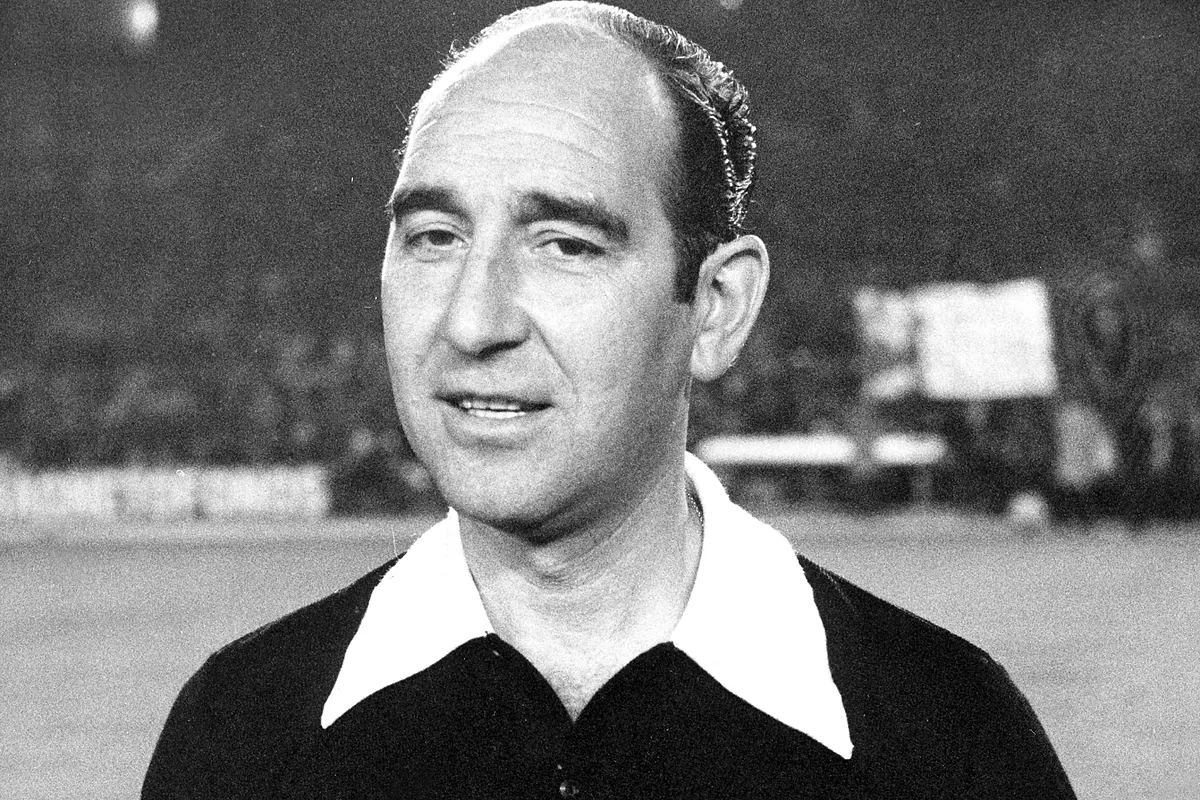
Antonio Camacho, a Madrid-born referee active in the early 1970s, came under scrutiny after fellow official Mariano Medina Iglesias reported a link between FC Barcelona and a supposed payment of 100,000 pesetas to fix the Burgos-Barça game of September 1972. The case sat in a drawer at the Referees Committee for three years and ultimately cost Camacho his refereeing career in 1976.
- Medina Iglesias wrote to the Referees Committee claiming a Barcelona director asked him about a 100,000-peseta payment given to Camacho.
- The letter remained filed away for three years, while Pardo Hidalgo and Rodríguez Barroso led the Referees Committee.
- José Plaza removed the suspected referees without opening public disciplinary proceedings, gradually taking them off match assignments.
- Camacho defended himself in the Barcelona newspaper Dicen with a line that stuck: "As long as Plaza is president, Barça will never be champions again."
- The story was pushed into the open by José María García on radio and in Don Balón magazine during the first four months of 1976.
The 1972 Burgos-Barça match and the 100,000 pesetas Camacho allegedly collected
On September 17, 1972, Barcelona visited El Plantío and won 0-1. Months later, on February 11, 1973, the Oviedo-born referee Medina Iglesias was at the Camp Nou to officiate Barça-Betis. Before the match, in his own account reported at the time, a Barcelona director named Amat approached him and asked a puzzling question: "Did Antonio Camacho send you any cutters?"
Medina Iglesias was baffled. The word was a code concealing the real question: whether he had received the 100,000 pesetas that Barcelona had supposedly given Camacho to pass on to him as payment for fixing the Burgos-Barça match. The Oviedo referee always maintained that nobody had told him anything and that he had refereed honestly. The next day he wrote a letter with the information and sent it to the Referees Committee.
Camacho's network and José Plaza's response at the Referees Committee
That letter was tucked away in a drawer for three years. During that period, Pardo Hidalgo and later Rodríguez Barroso chaired the Referees Committee. In 1975, José Plaza returned. He had held the job from 1967 to 1970, resigning over the six-month suspension imposed on Emilio Guruceta following the infamous penalty outside the area given at the Camp Nou in favor of Real Madrid.
Pablo Porta, a federation executive, had learned of Camacho's network and his group of accomplices. The pattern described at the time was twofold: sometimes matches were truly sold, and sometimes it was only smoke. In the Burgos-Barça case, Camacho allegedly guaranteed a Barcelona victory in exchange for touching Medina Iglesias with 100,000 pesetas, and said nothing to him. Barça won on merit and Camacho, according to this version, kept the money.
Plaza and Porta handled the matter quietly, with the collaboration of referees considered honest. The case of Sánchez Arminio, then in the Second Division, is illustrative: he was contacted about an Alavés-Deportivo match, reported it to Plaza, and was advised to pretend to accept. Alavés won fairly, the referee received the 40,000 pesetas offered, and he took the cheque to the Committee.
The silent purge: referees sidelined without public files
The federation's secrecy was partly aimed at avoiding a scandal, but mostly reflected the fact that honest referees did not want to end up in lawsuits or confrontations with Camacho and his implicated colleagues. They reported and that was it. What Plaza did was gradually stop assigning matches to the suspects, while quietly leaking details, especially to José María García, a rising figure on late-night radio, and to Don Balón magazine.
Antonio Camacho and López Samper, from the First Division, plus Olasagasti, Pérez Quintas and Pascual Tejerina, from the Second Division, began refereeing less, then almost not at all, and finally disappeared from the draw. At that time referees were chosen by lot. Antonio Rigo also saw his activity reduced. The Balearic official was strongly seen as pro-Barcelona and had been challenged by several clubs after the 1968 Copa final against Barça, remembered as "the bottle final."
Plaza decided to give an interview in Don Balón to Juan José Paradinas, a journalist specialized in federation affairs. There he said: "We have certain reports that advise us to act in this direction, but I am not going to say how we obtained them." Paradinas added his own comment, asserting that the Committee had enough proof, but that it was not valid because the referees had provided it secretly and personally, unwilling to sustain it before a judge.
Camacho's Mercedes and the front page that increased the pressure
Antonio Camacho's position became more compromised when Don Balón put him on the cover of issue number 24, dated March 14, 1976. The picture showed him with a Mercedes he owned, which had previously belonged to the president of Elche, Martínez Valero. At the time, a Mercedes was a vehicle associated with bullfighters because of its high price.
Camacho defended himself by saying he had bought it legally, but a cheque from the player intermediary Roberto Dale appeared in the transaction. Everything smelled badly. The affair was eventually resolved through a procedure described as unusual, with many top referees publicly backing Plaza and Camacho forced out of refereeing at the age of 46.
Camacho's line that haunted Plaza and is still quoted by Barça fans
Camacho did not stay silent. He chose the Barcelona newspaper Dicen, widely read at the time and later disappeared, to present his version of events. The headline would become famous: "As long as Plaza is president, Barça will never be champions again."
"As long as Plaza is president, Barça will never be champions again"
Over time, that line has been repeated in distorted versions such as "Plaza told me that as long as he is president Barça will never win the league," or even attributed directly to Plaza as his own statement. The claim came from Camacho, captured as a headline by Dicen. In the same interview, the Madrid referee argued that Plaza was persecuting him for not backing him in the Guruceta case, and took a jab at the Committee president's wealth, describing him as a large-scale rag trader who sold textile surpluses to the Royal Mint to make banknotes.
Plaza removed Camacho and purged that network, but Camacho turned him into a familiar ghost for Barcelona supporters. Even today, sections of the club's fanbase often respond to any mention of the Negreira case by bringing up Plaza's name.
Frequently asked questions
What happened with Antonio Camacho and the 1972 Burgos-Barça match?
Referee Mariano Medina Iglesias reported in 1973 that Barcelona had allegedly handed Antonio Camacho 100,000 pesetas to pass on to him as payment for fixing the Burgos-Barça game of September 1972, which Barça won 0-1. Camacho, according to that version, kept the money without telling Medina Iglesias.
How did José Plaza purge the suspected referees?
José Plaza, president of the Referees Committee from 1975, gradually removed the officials in question from match draws without opening public disciplinary proceedings. Referees such as Sánchez Arminio cooperated by sharing information confidentially, and those involved ended up out of refereeing.
What did Antonio Camacho say about FC Barcelona after leaving refereeing?
In an interview with the Barcelona newspaper Dicen, Camacho delivered a line that became famous: "As long as Plaza is president, Barça will never be champions again." Over the years, the quote has been distorted and is sometimes mistakenly attributed to Plaza himself.