
Are Arsenal Actually Worse This Season? The Numbers Behind Their Attacking Problem
Arsenal have taken 18 points from a possible 21 and are better off now than they were at the same stage last season. Yet the feeling around the Emirates is not one of complete satisfaction. A closer look at their open-play attack reveals the issues troubling Mikel Arteta's side in the final third, where the overall figures hide a less fluent and more predictable attacking output than last term.
 Byvarela5 min read
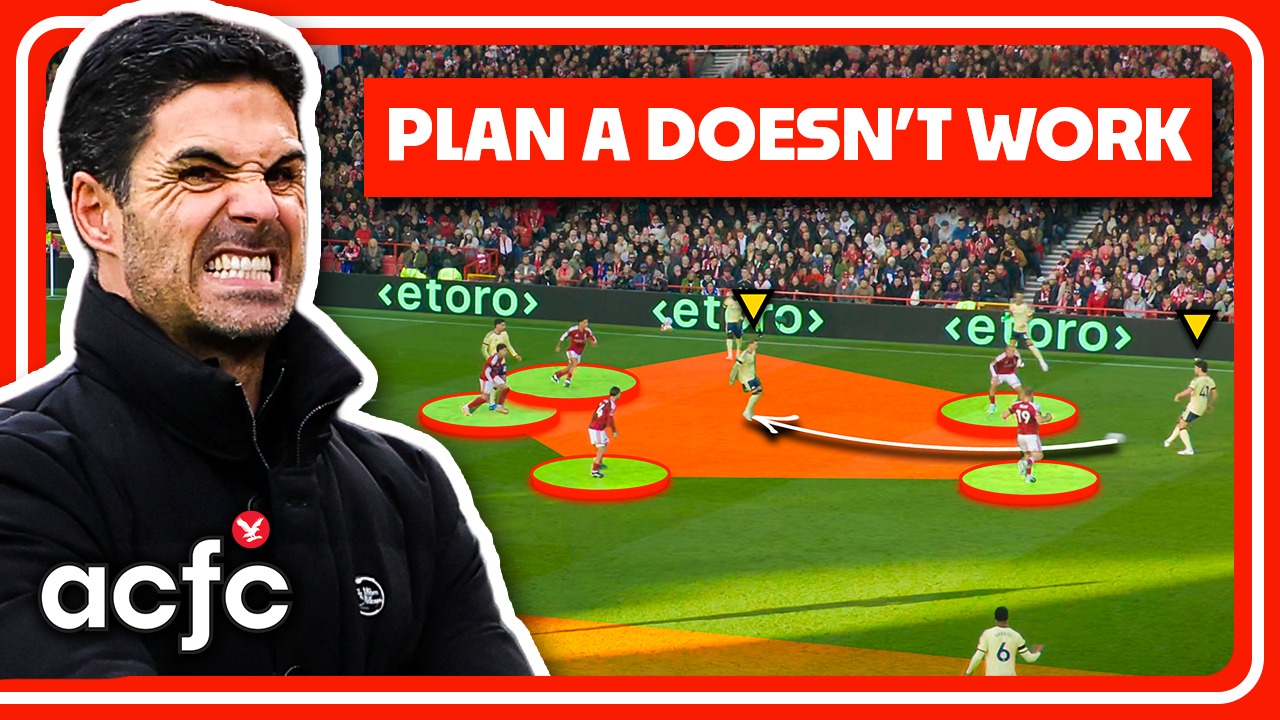
Arsenal have collected 18 points from a possible 21, a record that puts them ahead of where they stood at this stage of last season. If the results are better, the natural question is why the overall mood around the club is not one of full satisfaction. The answer lies in the details of their attacking production, particularly when the ball is moving in open play rather than from set pieces.
- Arsenal have 18 points from 21, a better start than last season.
- The open-play attack is struggling for fluency and clear chance creation.
- The final third is where Mikel Arteta's side is showing the biggest weaknesses.
- The overall numbers disguise a more predictable and less vertical attacking output.
Arsenal's Points Record Masking Deeper Doubts
Winning six of the first seven league matches is always a sign of solidity. The London club has found a way to pick up points with consistency and stay in the fight at the top of the table from the opening weeks of the season. Yet the debate around the team's performances has not gone away, and the raw numbers do not quite explain the feeling that something is not clicking.
Comparing this start with last season's helps make sense of the paradox: Arsenal are better off in points, but not necessarily in how they are playing. The difference between the two scenarios comes down to how the team reaches the opposition box and the clarity of the chances it creates when it cannot launch quick transitions.
Open-Play Attack Is the Heart of the Problem
A closer look at Arsenal's open-play attacking reveals several underlying issues that the results have been covering up. Ball circulation has become slower in middle areas, and the wide channels no longer punish opponents with the same depth as last season. The team needs more touches to progress and struggles to break lines when the opposition sits deep.
Without the pace of their best spells from the previous campaign, Arsenal are exposed to stodgy matches in which they depend on a moment of individual quality or an isolated action to break the deadlock. The sense of control remains, but control without aggression in the final meters turns into sterile possession.
Final Third Troubles Where Games Are Won
Arsenal's problems are especially concentrated in the final third. Arrivals into the box are less frequent, crosses come from less advantageous positions, and the presence of finishers in dangerous areas has dropped. The team often reaches the edge of the area but struggles to turn those approaches into truly dangerous shots.
That lack of punch in the decisive zone explains why matches stay open longer than the coaching staff would like. Arsenal produce volume, but they do not always produce the quality of chances that allowed them to kill games off with authority a year ago.
Last Season vs. This Season: Better Numbers, Worse Flow
The 18 points from seven matches puts Arsenal in an enviable position from a table standpoint. Being ahead of their own record from last season at this stage is no small detail for a team that wants to compete for the Premier League until the very end. The room for improvement, however, lies in the construction of their attacking play.
This version of Arsenal is more pragmatic and less expansive than the one from the previous campaign. Arteta has managed to tighten the team defensively and keep competitiveness extremely high, but the cost of that transformation is felt in attack. The balance between solidity and creativity is now the biggest challenge for the project.
How Arteta Can Bring the Fluency Back
The solution does not mean abandoning the structure that has made Arsenal a reliable side, but rather recovering certain automatic movements that have faded over the months. The mobility of the attacking players, the occupation of half-spaces, and the speed of circulation are all areas the coaching staff is working on to get the team back to its best version.
As long as the results keep coming, there is room to experiment. Arteta's challenge is to find the formula that allows Arsenal to keep winning while also restoring the sense of dominance that made them genuine contenders for everything.
Frequently Asked Questions About Arsenal's Form
Frequently asked questions
How many points do Arsenal have this season in the Premier League?
Arsenal have 18 points from a possible 21 in their opening Premier League matches. That is a better return than they had at the same stage of last season, keeping them near the top of the table.
Why do people say Arsenal are playing worse than last season when they are winning more?
Because the results hide an open-play attack that is less fluent and more predictable. The team struggles to create clear chances, and its attacking output in the final third has dropped compared to the previous campaign.
What is Arsenal's biggest attacking problem right now?
The biggest weakness is in the final third, where the team arrives with less clarity and converts fewer approaches into dangerous opportunities. The open-play attack needs more speed and better finishing positions.