
Daniel Kretinsky to become West Ham's largest shareholder after deal with David Sullivan
Czech billionaire Daniel Kretinsky has reached an agreement with David Sullivan to increase his stake in West Ham from 27% to 46%, making him the club's biggest shareholder. The deal leaves Amanda Staveley with almost no room to complete her planned purchase of the Gold family's 25.1% holding. West Ham are rebuilding in the Championship following last season's relegation from the Premier League.
 ByInfoBlaugrana
 6 min read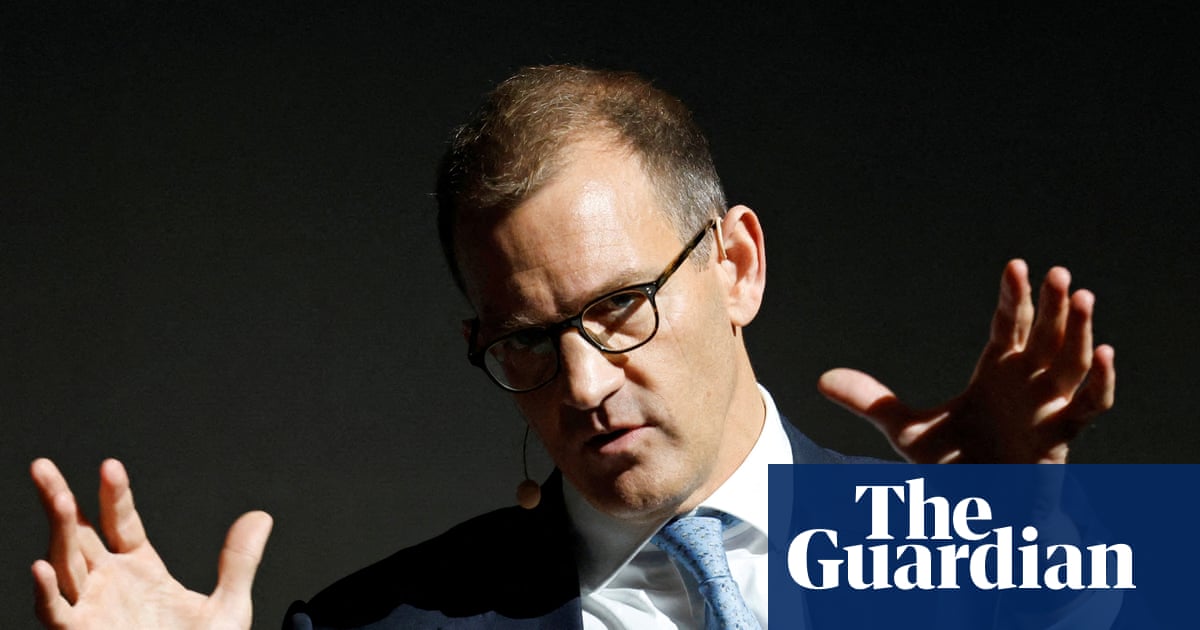
Daniel Kretinsky is set to take control of West Ham as the club's largest shareholder. The Czech businessman, who owns Royal Mail, has reached an agreement with David Sullivan that will lift his stake from 27% to 46%, dealing a serious blow to Amanda Staveley's efforts to buy into the London club. The move lands while West Ham are rebuilding in the Championship after dropping out of the Premier League last season.
- Kretinsky will move from a 27% stake to 46% and overtake Sullivan as West Ham's biggest shareholder.
- Sullivan will increase his stake from 38.8% to 40% and become the second largest shareholder.
- Amanda Staveley agreed a deal with the Gold family for their 25.1% stake in July, but that triggered pre-emption rights for other shareholders.
- The Kretinsky-Sullivan agreement leaves Staveley's group with almost no route into the club's boardroom.
- West Ham are competing in the Championship this season after relegation from the Premier League.
Kretinsky strengthens his grip on West Ham after Sullivan agreement
The Royal Mail owner currently holds 27% of West Ham, having first bought into the club in November 2021. Under the new arrangement, his shareholding will rise to 46%, moving him clearly above David Sullivan and making him the dominant figure in the club's ownership structure. Sources have consistently said the Czech investor is determined to increase his interest in West Ham during a crucial period of rebuilding.
The agreement comes after Sullivan, who is 77, turned down an approach from Amanda Staveley about buying his stake during the summer. The long-time West Ham shareholder is understood to have privately favoured dealing with Kretinsky, with whom he has shared the club's ownership for several years.
Amanda Staveley's West Ham ambitions collapse
The British businesswoman, formerly a director at Newcastle, reached an agreement with the Gold family in July to buy their 25.1% stake in West Ham. She was fronting a consortium that wanted a seat on the board of the east London club. Her presence as a guest at the London Stadium for this week's 4-2 win over Wolves appeared to underline that intention.
But that agreement triggered a process allowing the club's other shareholders to exercise their pre-emption rights over the Gold family's stake before a 5.30pm deadline on Thursday. The alliance between Kretinsky and Sullivan to absorb that shareholding leaves Staveley and her group without a realistic path to complete their purchase. Sources have said there is unlikely to be a way back for the British investor.
West Ham's new ownership structure: Kretinsky, Sullivan and Tripp Smith
The reshuffle goes beyond the two main figures. David Sullivan will increase his stake from 38.8% to 40%, remaining the club's second largest shareholder. American businessman Tripp Smith will move from 8% to 11%, while the remaining shareholders will climb from 1.1% to 3%.
The new structure cements Kretinsky as the central figure in West Ham's ownership. For Staveley to have any chance of making a separate offer for the Gold shares, she would have needed existing shareholders to pass on their pre-emption rights. That scenario has not materialised.
Sullivan steps back from the front line at West Ham
David Sullivan no longer carries the same weight in the day-to-day running of West Ham. He stepped down as a director and co-chair of the club in June, just before a joint investigation by The Times and Panorama reported that seven women had accused him of abusing his power and preying on them for sex in claims dating back to the 1980s and 1990s. Sullivan categorically denies all the allegations.
Although he has continued to attend West Ham's home matches this season, the businessman no longer holds a board seat and has lost his status as the club's most powerful individual. His shareholding remains significant, but the deal with Kretinsky reinforces the sense that the centre of gravity at West Ham has shifted toward the Czech investor.
What the ownership shift means for West Ham in the Championship
The shareholding change arrives at a delicate moment for the club. Relegation from the Premier League has forced a rethink of the sporting and financial project, and Kretinsky's growing stake is seen as a bid to stabilise the ownership while the team fights to return to the top flight of English football.
West Ham have long been one of the most recognisable clubs in east London, with a large-capacity stadium and a loyal fanbase. The new capital structure aims to provide sustained backing for the rebuild, with Kretinsky as the main financial reference and Sullivan still a significant shareholder but no longer involved in daily management.
Frequently asked questions
What stake will Daniel Kretinsky hold in West Ham after the agreement?
Daniel Kretinsky will increase his stake from 27% to 46% and become the club's largest shareholder, moving ahead of David Sullivan.
What happens to Amanda Staveley's bid to buy West Ham shares?
Amanda Staveley had an agreement with the Gold family to buy their 25.1% stake, but that deal triggered pre-emption rights for other shareholders. The agreement between Kretinsky and Sullivan leaves Staveley with almost no chance of completing her purchase.
How will West Ham's shareholding be distributed after the deal?
Kretinsky will control 46% of the club, David Sullivan will rise from 38.8% to 40%, Tripp Smith will go from 8% to 11%, and the remaining shareholders will increase from 1.1% to 3%.