
FIFA accepts The Times apology and hits out at campaign against Gianni Infantino
FIFA has accepted a correction published by The Times after the British newspaper admitted it wrongly reported that president Gianni Infantino received an undeclared second salary. The governing body used the moment to denounce what it calls a concerted effort to undermine its leader, as debate continues over a proposal to sell World Cup stakes to private investors.
 ByInfoBlaugrana
 5 min read
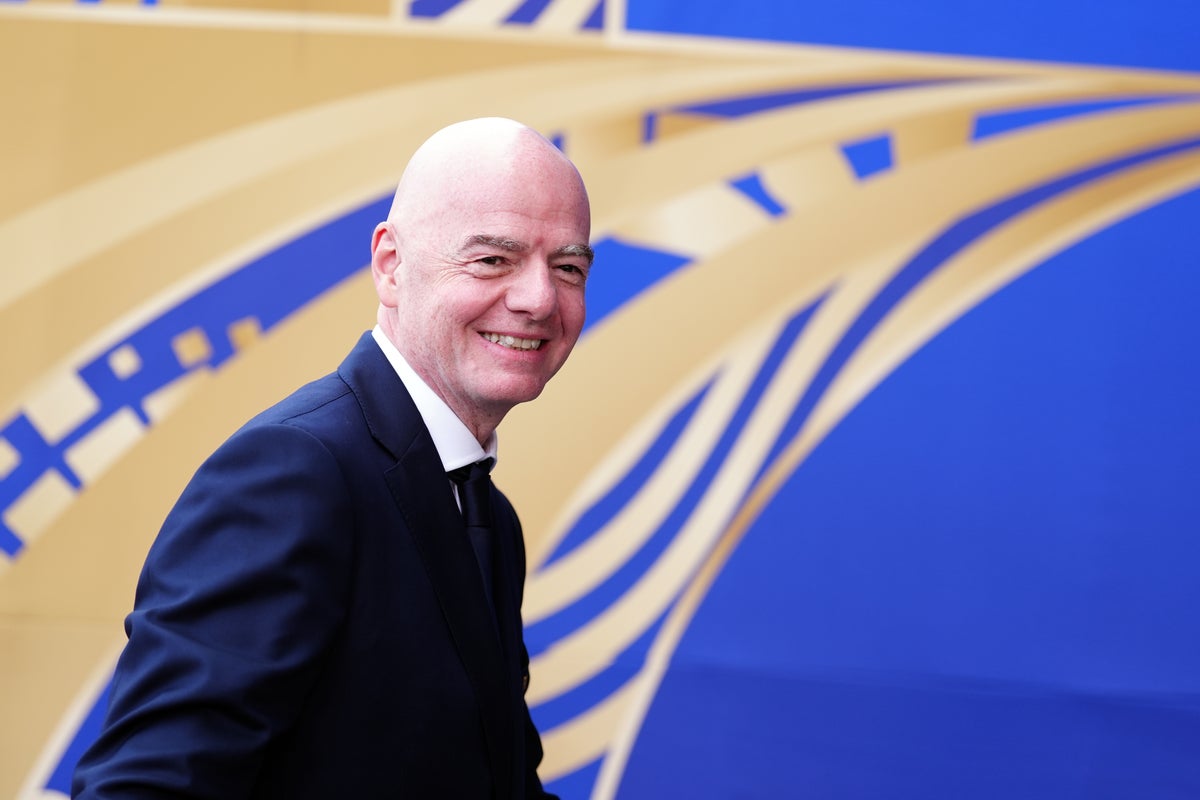
FIFA has accepted an apology from The Times after the British newspaper admitted it published incorrect claims about an undeclared second salary for president Gianni Infantino. The correction comes at a sensitive moment for the Swiss executive, who is facing criticism over his proposal to sell stakes in the World Cup to private partners.
- The Times removed the false information and apologised to FIFA and Infantino after admitting there was no second salary.
- The newspaper also corrected claims that Infantino bought a Miami property below market value and controlled the company Shadi LLC.
- FIFA says there is a concerted and ongoing effort to discredit the organisation and its president.
- The plan to sell World Cup stakes to private investors keeps Infantino under scrutiny, with UEFA among those calling for his resignation.
- The governing body urges the media to verify sources carefully before publishing false or defamatory information.
What The Times corrected about Infantino's alleged second salary
The original article, published a week before the correction, claimed that Gianni Infantino had received a second salary from FIFA and failed to declare the payments. That information proved to be wrong, and the newspaper removed it from its digital edition before issuing a formal apology to both the president and the organisation.
In its correction, The Times acknowledged that there was no second salary. Swiss regulations do not require FIFA to include expenses and reimbursements received by Infantino in its annual report, as they are not considered compensation under the country's reporting requirements.
The other corrections: the Miami home and Shadi LLC
The Times retraction went beyond the salary issue. The newspaper admitted it was also wrong to report that Infantino had purchased a property in Miami at a suspected undervalue. It accepted that neither the executive nor his family are the legal or beneficial owners of Shadi LLC, and that they have no control over the company.
Those two elements had formed part of a narrative linking the FIFA president to questionable real estate and business dealings in the United States. By withdrawing them, the British outlet removed a significant part of the accusations that had fuelled public debate over Infantino's leadership.
FIFA's response: a "concerted and ongoing effort" against Infantino
After accepting the apology, FIFA used its official media account on X to address the case and what it sees as a broader pattern. The organisation stated that it has been evident since August that there is a concerted and ongoing effort by some to undermine the institution and its president.
The statement urges the media to act responsibly and carefully verify all sourcing to prevent the publication and subsequent reproduction of false and defamatory information. FIFA also argued that legitimate scrutiny cannot become a license to amplify baseless allegations.
FIFA welcomes legitimate scrutiny. But scrutiny is not a license to amplify false allegations. Where reporting is inaccurate, misleading, or totally false, as in this case, FIFA will continue to challenge it directly and vigorously.
The plan to sell World Cup stakes to private investors
The media storm overlaps with an ongoing debate over Infantino's proposal to sell stakes in the World Cup to private partners. That initiative has raised concerns about his ability to lead the organisation and has fuelled calls for a change at the top of world football.
UEFA is among the parties that have called for his resignation, a stance that reflects the tension between European football's governing body and FIFA's leadership. The idea of opening the capital of the sport's most important tournament to outside investors touches one of the traditional red lines for federations: control of the competition.
What the retraction means for Infantino's credibility
The Times correction gives breathing room to a president who has been under mounting pressure for weeks. While the debate over selling World Cup stakes remains open and UEFA's criticism has not disappeared, the retraction dismantles several of the claims that had damaged his image most in recent days.
FIFA has made clear that it will not simply accept apologies when it believes published information is false. Its strategy is to respond directly and forcefully to any reporting it considers defamatory, a stance that anticipates further clashes with the media covering the organisation.
Frequently asked questions
Why did The Times apologise to FIFA and Gianni Infantino?
The British newspaper admitted it wrongly reported that the FIFA president had received an undeclared second salary. It also corrected claims that Infantino bought a Miami property below market value and controlled the company Shadi LLC, leading to an apology to both parties.
What does FIFA say about the reporting on Infantino?
FIFA believes there is a concerted and ongoing effort by some sectors to undermine the organisation and its president. It has urged the media to verify their sources carefully and announced it will challenge any false or defamatory information directly and vigorously.
Why are some people calling for Gianni Infantino to resign?
The FIFA president is under fire over his proposal to sell stakes in the World Cup to private investors. UEFA is among the organisations that have called for his resignation, arguing that the plan raises doubts about his ability to lead world football.