
Football Australia chair Anter Isaac calls Fifa troubles 'growing pains'
Football Australia chair Anter Isaac has played down the turbulence surrounding Fifa and the controversial World Cup privatisation plan driven by Gianni Infantino. Speaking before the Asian Football Confederation congress in Tokyo, Isaac defended the direction of world football's governing body and framed recent friction as part of an institutional maturing process.
 ByNatilla6 min read
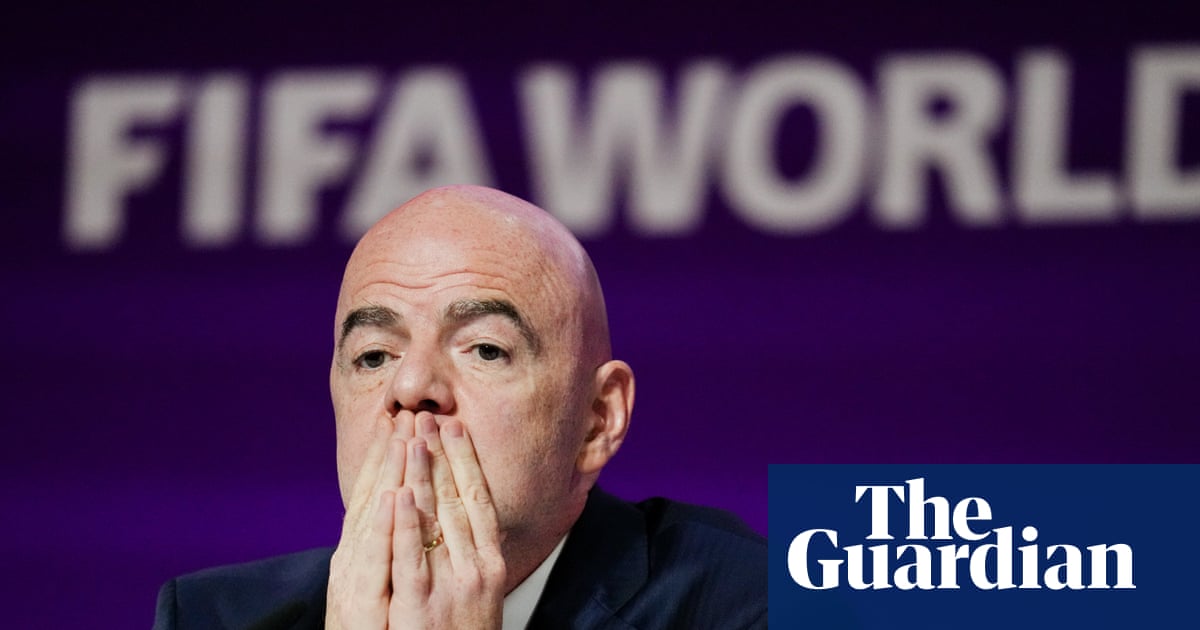
Football Australia chair Anter Isaac has downplayed the political storm surrounding Fifa and Gianni Infantino's push to privatise parts of the World Cup. His remarks come just before the Asian Football Confederation congress in Tokyo this week, at a time when the Swiss administrator is rebuilding support ahead of the presidential election in March.
- Isaac describes Fifa's internal tensions as 'growing pains' and calls for a mature reading of the situation.
- He says it is premature to discuss whether Australia will back Infantino in next year's election.
- His comments follow a rebound in support for Infantino across South America, Africa and large parts of Asia.
- Uefa has asked Fifa to explain the abandoned sale of 20% of its commercial rights.
- The AFC congress in Tokyo will informally address Fifa's leadership and the Asian Cup in Saudi Arabia.
What Anter Isaac says about the Fifa crisis
In an interview with a little-known sports business YouTube channel, Isaac refused to join the chorus of criticism aimed at world football's governing body. Instead of describing the situation as chaotic, the Australian official suggested a more measured approach: the recent turbulence, he argued, is part of the natural development of an institution that has grown at remarkable speed.
We can look at it and be unsophisticated and say, what a mess. Or we can take a more responsible, mature view and say, you know what, these are growing pains.
Isaac acknowledged that Fifa's revenues have exploded in recent World Cup cycles, and suggested that internal systems and processes may not have kept pace. He insisted, however, that the intentions of people working in football are always aligned with the best interests of the sport, even when approaches or communications sometimes fall short.
Infantino regains support ahead of March's Fifa election
The Australian official's remarks come as Fifa president Gianni Infantino rebuilds alliances after a difficult stretch. Months ago, criticism led by European and North American officials cast doubt on his ability to continue in office. Today, he enjoys backing from South America, Africa and growing sections of Asia, a bloc that could be enough to secure victory in March's vote.
The shift is particularly visible in Asia. Asian Football Confederation president Sheikh Salman bin Ibrahim Al Khalifa had signed an August letter demanding Fifa leadership that serves football rather than commanding it. Since then, he has softened his tone and now calls for stronger governance, while nations including Qatar and the UAE signal support for Infantino.
The failed World Cup privatisation plan and Uefa's questions
The backdrop to this crisis is the project known as Fifa Forward Enterprise, an attempt to sell 20% of Fifa's commercial rights that was ultimately abandoned. The proposal raised concerns across several continents and prompted Football Australia to call for clear and credible action in August, though it stopped short of demanding Infantino's resignation.
Uefa sent a letter to Fifa this week asking for explanations about the failed commercial rights sale, as well as the Folarin Balogun affair and the organisation's relationship with Donald Trump. The letter follows last week's Fifa council meeting in Zurich, the first since the privatisation plan came to light. There, Infantino listened to questions but declined to provide full answers, calling instead for written submissions before the next meeting in Doha on 16 December.
The Asian Football Confederation congress in Tokyo
Leading figures from Asian football are gathering in the Japanese capital this week. Fifa's governance and leadership are not part of the formal agenda, but the subject will be discussed informally by those in attendance. The likelihood of January's Asian Cup going ahead in Saudi Arabia is also expected to feature in conversations.
Isaac defends insider knowledge against outside criticism
Isaac argues that bodies such as Fifa, the AFC and Uefa face criticism from people who do not have the same information as those inside the system. In his view, much of the work done by these institutions goes unnoticed, particularly the support given to stakeholders who need it most.
If I had the same information that most critics or the general public have, I would probably draw the same conclusions as them. But I don't. I have a lot more information. I see a lot more that happens.
The Australian official declined to say whether he would support Infantino in next year's election, calling the discussion premature. He suggested his concerns about the Fifa president relate mainly to process, and welcomed the fact that attention has shifted toward diagnosing what could have been done differently and codifying improvements for the future.
Frequently asked questions
What did Anter Isaac say about the Fifa crisis?
The Football Australia chair downplayed the tensions and described them as 'growing pains'. He believes Fifa has grown rapidly in revenue terms and that its internal processes need time to mature, while defending the good intentions of people involved in football.
Will Australia support Gianni Infantino in the Fifa election?
Isaac said it is premature to discuss whether Australia will back Infantino in the March 2025 election. He acknowledged having his own views but prefers to focus the debate on improving Fifa's governance processes.
What was the Fifa Forward Enterprise plan?
It was a Fifa-driven proposal to sell 20% of its commercial rights, which was ultimately abandoned. Uefa has asked for explanations about the failed sale, along with the Folarin Balogun case and Fifa's relationship with Donald Trump.