
How the 1985 alcohol ban changed English football grounds
Margaret Thatcher's government banned alcohol from football grounds in England and Wales in 1985. The measure followed the violent Luton Town v Millwall FA Cup tie and the Heysel Stadium disaster, and it remains in force today. Andy Burnham has reopened the debate by claiming fans face discrimination because they cannot drink in the stands.
 ByNatilla6 min read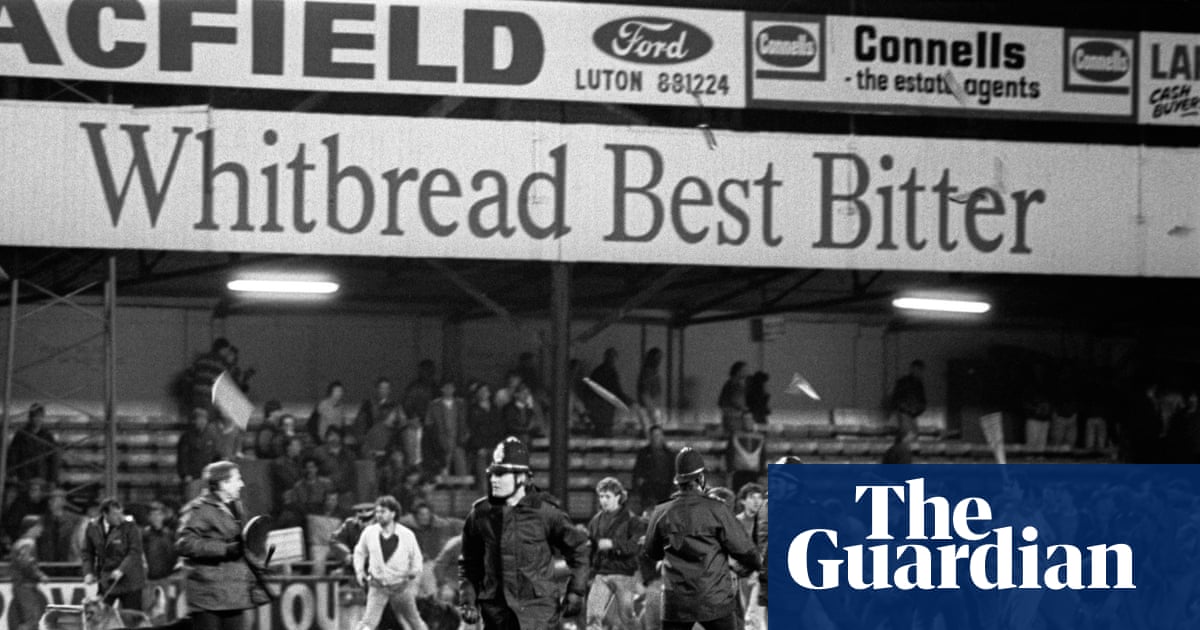
Alcohol vanished from football grounds in England and Wales in 1985. Margaret Thatcher's government pushed through the ban in a climate of emergency shaped by the violence at that March's Luton Town v Millwall FA Cup tie and by the Heysel Stadium disaster, which killed 39 people before the European Cup final. The measure is still in place almost four decades later and has returned to the political agenda after UK prime minister Andy Burnham described the restrictions as 'discrimination' against supporters who cannot drink in the stands.
- The Sporting Events (Control of Alcohol etc.) Act 1985 banned alcohol from football grounds in England and Wales.
- Scotland had already operated under a similar ban since 1981.
- The 1985 Luton Town v Millwall riots and the Heysel disaster sped up the legislation.
- The rules were relaxed in 1986 to allow alcohol in executive boxes and boardrooms.
- Andy Burnham has hinted at a legal change after calling the situation discriminatory.
What happened in the 1985 Luton Town v Millwall match
On 13 March 1985, Luton Town and Millwall met at Kenilworth Road in the sixth round of the FA Cup. The home side won 1-0, but the result was quickly overshadowed. A mob of Millwall fans wrecked a stand, damaged homes, shops and cars across the town, and a British Rail football special was trashed on the journey back to London. Forty-one people were injured, including 31 police officers, and the damage at the ground was estimated at £15,000 at the time.
The scale of the disorder pushed the government into action. The prime minister invited Football Association officials to a meeting to discuss countermeasures against hooliganism at grounds. Three priorities emerged: tougher court penalties, a ban on alcohol inside stadiums, and disciplinary action against clubs whose supporters were involved in trouble.
How the 1985 alcohol ban became law
The legal response was swift. The Sporting Events (Control of Alcohol etc.) Act 1985 prohibited the sale and consumption of alcohol inside football stadiums in England and Wales. The thinking behind the law was clear: authorities saw excessive drinking as a major factor in the disorder that had blighted the English game for years.
Scotland provided a working model. Alcohol had been banned from Scottish football grounds since 1981, and several MPs urged Westminster to follow that example. Sports minister Neil Macfarlane went as far as inviting clubs to introduce their own voluntary ban while the government prepared possible legislation.
How the 1986 reform created an exception for VIP areas
Club pressure soon made itself felt. A year after the original ban, the Public Order Act 1986 relaxed the rules for executive boxes, boardrooms and other VIP areas. The arrangement that has survived ever since allows alcohol to be served in parts of the stadium without a direct view of the pitch.
That distinction has fuelled a long-running complaint among ordinary supporters: someone paying for a regular seat cannot buy a beer at their place, while premium areas can serve alcohol freely. That unequal treatment is exactly what Andy Burnham has highlighted by describing the situation as discriminatory and suggesting the law could be reformed.
The role of the Heysel disaster in the crackdown
The alcohol ban cannot be separated from Heysel. On 29 May 1985, before the European Cup final between Juventus and Liverpool in Brussels, a crush triggered by charging English fans collapsed a stadium wall and killed 39 people, most of them Italian supporters. The tragedy shocked European football and led UEFA to exclude English clubs from continental competition for five years.
In that context, British authorities treated alcohol as an aggravating factor in the violent behaviour of a section of English support. The 1985 Act formed part of a package that included more policing, extra crowd-control equipment and a political message built around deterrence through punishment.
Why Andy Burnham is talking about lifting the ban
The debate is back. Andy Burnham, the UK prime minister, has said football supporters face discrimination because they cannot drink alcohol in the stands, a restriction that does not apply to other sports such as rugby or cricket. His comments point to a possible overhaul of the rules inherited from 1985.
Any proposal will have to reckon with the memory of that violent decade and with the caution of those who believe lifting the ban could reopen old public-order problems. Time will tell whether the United Kingdom decides to update a law born out of emergency that, almost forty years later, still defines the experience of going to football in England and Wales.
Frequently asked questions
When was alcohol banned at English football grounds?
The ban came into force in 1985 through the Sporting Events (Control of Alcohol etc.) Act. It prohibited the sale and consumption of alcohol inside football stadiums in England and Wales. Scotland had already had a similar ban in place since 1981.
Can you drink alcohol in executive boxes at English stadiums?
Yes. The Public Order Act 1986 relaxed the original ban to allow alcohol in executive boxes, boardrooms and other VIP areas. The condition is that those areas must not have a direct view of the pitch.
Why does Andy Burnham want to change the football alcohol law?
The UK prime minister argues that football fans face discrimination because they cannot drink in the stands while spectators at other sports can. His comments suggest a possible legal reform, although no formal proposal has been published.