
Ireland vs Israel: the most controversial match in world football moves far from Dublin
The Nations League double header between the Republic of Ireland and Israel has become the most fraught fixture in recent European football memory between two countries not formally at war. The return match will not be played at Dublin's Aviva Stadium but in Backa Topola, Serbia, amid huge public anger in Ireland over the war in Gaza.
 ByInfoBlaugrana
 6 min read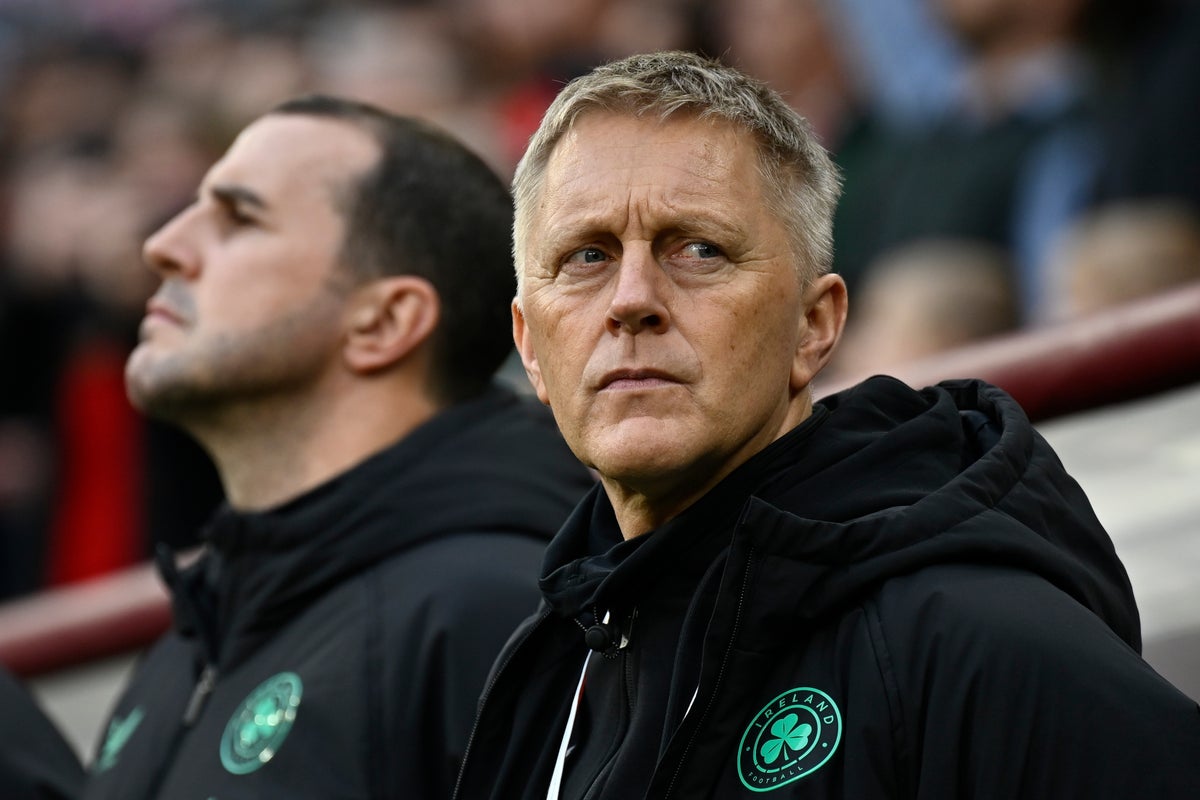
The Nations League double header between the Republic of Ireland and Israel has turned into the most tense and heavily scrutinised fixture in recent European football memory involving two national teams not formally at war. The first leg will be played in Debrecen, Hungary, and the return match in the Serbian town of Backa Topola, after the Football Association of Ireland ruled out staging the game at Dublin's Aviva Stadium because it could not guarantee a normal matchday.
- Ireland will not host Israel in Dublin: the return leg has been moved to Backa Topola, Serbia, for security and logistical reasons.
- A grassroots campaign called 'Stop the Game' is urging the Irish team not to play and accuses the federation of normalising Israel.
- Head coach Heimir Hallgrimsson intensified the row by saying Ireland are playing 'against genocide', not with it.
- The Israel Football Association is considering a formal complaint to UEFA over the Irish coach's comments.
- Irish public broadcaster RTE will show the matches only to fulfil contracts, with no additional coverage or commercial activity.
Dublin loses the game: Backa Topola hosts the Nations League return
About two kilometres from the Aviva Stadium, a huge banner on Liberty Hall, the headquarters of Ireland's main trade union, calls on the national team to stop the game. The grassroots 'Stop the Game' campaign behind it adds a blunt message to the players: follow your conscience and do not play ball with what it describes as genocide.
Public pressure has been so strong that the Football Association of Ireland cancelled every media engagement not mandated by UEFA. Chief executive David Courell described the double header as a unique set of fixtures. The decision to move the home leg to Serbia was taken because holding the match in Dublin would have presented operational challenges that could have affected the delivery of the game.
Hallgrimsson turns up the heat: 'We are playing against genocide'
Ireland manager Heimir Hallgrimsson raised the temperature considerably when he announced his squad. Rather than dodging the controversy, he said his team is not playing with genocide but against it, and that Israel is their opponent, not their partner. His words reflect the mood of a large section of Irish society and drew an immediate response from the Israeli federation.
We are not playing with genocide, we are playing against genocide. We are playing against Israel, we are not playing with Israel.
Israel hits back and weighs a formal UEFA complaint
A spokesperson for the Israel Football Association said it is impossible to accuse them of genocide without responding. In an official social media post, the federation branded the coach's words as stupidity, ignorance and hypocrisy. The association is considering filing a complaint with UEFA, while Israeli players are expected not to swap shirts after the game and coach Ran Ben Shimon is likely to skip the handshake with Hallgrimsson.
Why Ireland cannot host Israel: a social mobilisation like no other
Deep anger in Ireland over the war in Gaza has put the idea of boycotting the match at the centre of national debate. Prominent football voices have accused the federation of institutional cowardice. Agent Fintan Drury, who has published two books critical of Western support for Israel, argues that public backing for Palestine is being smothered by a chain of failures that begins with the Irish government itself.
Ireland's connection to the Palestinian cause goes back more than a century. In 1980, the country became the first member of what was then the European Economic Community to call for the recognition of a Palestinian state. The parallels with Ireland's own colonial experience, particularly in Northern Ireland, have fed a long-standing identification that now translates into street mobilisation.
Protocols cut to the bone and a heavily charged precedent
Irish public broadcaster RTE will air the matches only to meet contractual obligations, with no special programmes or outside broadcasts. In Serbia, the stadium's LED boards will display only messages of respect. Traditional dinners between officials will not take place, a gesture that underlines how exceptional this double header is.
The closest precedent came in November 2025, when Norway hosted Israel in a World Cup qualifier. That match required Israeli intelligence agents and snipers at team hotels, and was treated as the highest-security sports event in Norway since the 1994 Winter Olympics. The Norwegian federation donated the match proceeds to Médecins Sans Frontières, although it never considered a solo boycott.
What Ireland stands to lose in the Nations League and why the federation rules out a boycott
The Football Association of Ireland insists it must look after the long-term interests of the Irish game. A unilateral withdrawal could cost more than 5.5 million euros and lead to further sanctions. Courell says UEFA has made no specific threats, but the room for manoeuvre is extremely narrow.
The squad is also aware that Nations League results can shape the road to Euro 2028, which Ireland co-hosts with Britain. Hallgrimsson admitted that no one in the group feels comfortable playing these matches, but that once the decision was made, everyone has closed ranks.
None of us feel comfortable playing these games but once we have decided to play them, we all stick together and play as one.
UEFA has hinted that it may consider separating national teams in the future based on geopolitical tensions. For now, the players are trying to block out the noise and treat the tie as just another game. Everything surrounding the double header, however, suggests it is anything but.
Frequently asked questions
Why is Ireland not playing Israel at the Aviva Stadium in Dublin?
The Football Association of Ireland moved the match to Backa Topola, Serbia, because of the operational and security challenges of staging it in Dublin. Heavy public mobilisation over the war in Gaza made large protests around the stadium highly likely.
Where are the two Nations League matches between Ireland and Israel being played?
The match in which Israel is the nominal home team is being held in Debrecen, Hungary. The return leg, with Ireland as the designated host, takes place a week later in Backa Topola, Serbia.
Why has the Irish federation not boycotted the match against Israel?
The FAI maintains that a unilateral boycott could cost more than 5.5 million euros and lead to sporting sanctions. It also argues that it must protect the long-term interests of Irish football and its qualification prospects for Euro 2028.