
Liverpool spent £670m under Richard Hughes and got worse: the full breakdown
Richard Hughes leaves Liverpool with a Premier League title to his name and almost £670m spent on new signings in little over a year. The team has regressed since winning the league under Arne Slot, leaving an unfinished rebuild and several key positions to address. His departure increases the urgency at Anfield ahead of the next transfer window.
 ByJavi
 6 min read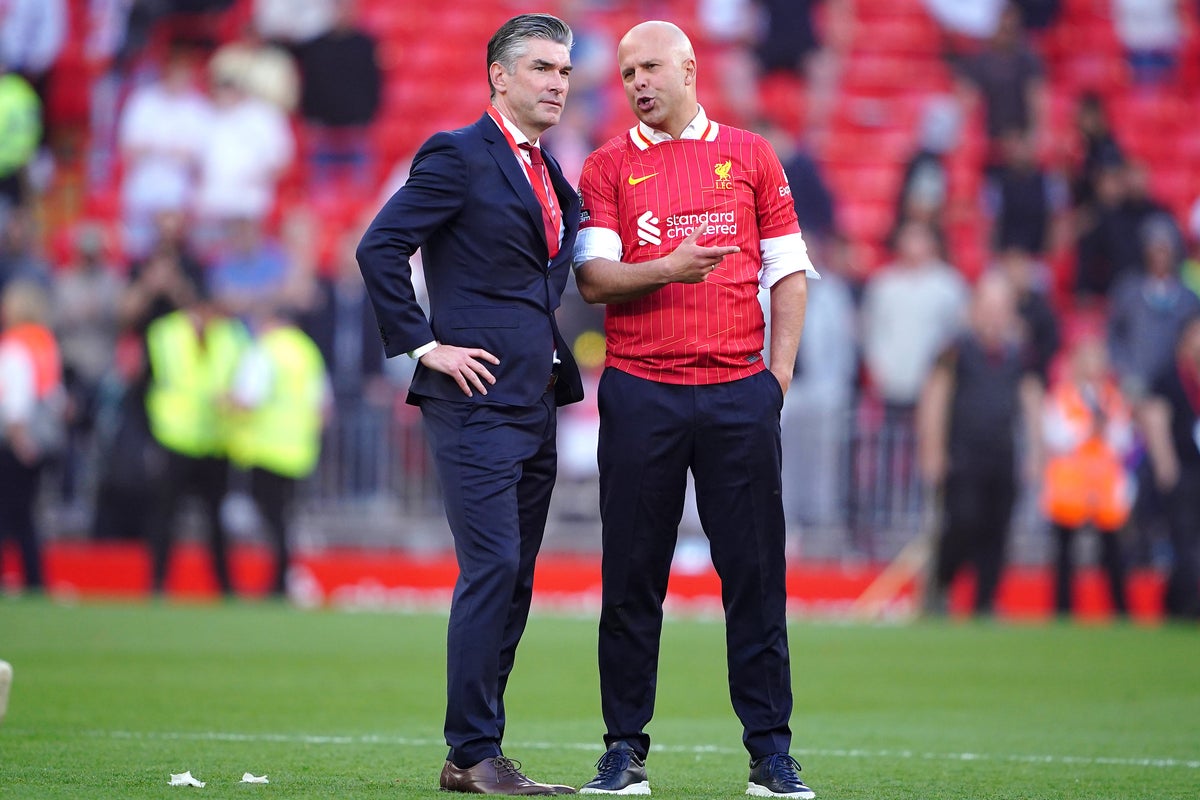
Richard Hughes departs Liverpool with the 2024-25 Premier League title as his main achievement, but also with the feeling that the club spent a fortune only to move backwards. In little more than a year, the sporting director invested more than £650m in new players and chose Arne Slot to replace Jürgen Klopp. The result was a historic league triumph followed by a sharp decline that leaves Anfield facing another unfinished rebuild.
- Hughes spent more than £650m on signings in just over a year.
- Liverpool won the Premier League after he hired Arne Slot to replace Jürgen Klopp.
- The club dropped from 84 points to 60 and from first place to fifth.
- Isak, Barcola and Wirtz each cost more than £100m.
- Hughes leaves amid expectations that he will join Al Hilal.
A symbolic farewell at Portman Road: Isak and the plan that failed
Hughes' final match as sporting director produced a moment rich in irony. After nine minutes, Alexander Isak had already scored twice in three minutes, exactly what Liverpool imagined when they paid a British record £125m for the striker. His brace at Ipswich matched the three Premier League goals he managed throughout last season, a total that captures the scale of the problem.
In that same game, when Bradley Barcola came on, Liverpool became the first club to use three £100m signings in one match, even if they did not share the pitch at the same time. Barcola, Isak and Florian Wirtz represent the most ambitious and, so far, most debated part of his tenure.
From title euphoria to a rapid decline in performance
Hughes began his Liverpool spell brilliantly. His decision to appoint Arne Slot from Feyenoord became one of those understated moves with a huge payoff that have historically defined the club. The Dutchman delivered only the second Premier League title of the modern era for Liverpool and appeared to confirm that the club's recruitment team still found talent where others were not looking.
But the second season changed everything. The team went from collecting 84 points to just 60, from first place to fifth, and from losing one of Slot's first 28 matches to suffering 20 defeats. The formula began to crack and so did the power structure: Michael Edwards, who had brought in Hughes, told the club he intended to step down as Fenway Sports Group's director of football.
The managerial change and the arrival of Iraola as a final big call
Hughes retained ultimate authority over the change in the dugout. He backed Slot until the mood in the stands became impossible to ignore, then made a move that surprised the Dutchman. He turned to Andoni Iraola, whom he had previously taken to Bournemouth, repeating a pattern of personal trust and leaving the Basque coach with a difficult situation caused by the departure of several executives.
Edwards, in fact, received backing from the owners to remain in charge during the transfer window, a sign that he still carried influence at the top even during the transition. He is credited with completing the signing of Barcola, valued at £106m, thanks to the considerable groundwork already in place.
An expensive market, injuries and the price of overpaying
Only Hugo Ekitike has established himself as an unqualified success among Hughes' signings, and he is now injured. The four summer arrivals need time, although Jeremy Jacquet looks hugely promising. The all-in bet on the injury-prone Isak backfired last season, and it is far from proven that Wirtz can cope with the pace of the Premier League.
Liverpool also paid the price for moving the market upward. By spending huge fees, the club helped inflate prices and ended up receiving a £145m demand from Paris Saint-Germain for Barcola. Hughes leaves a legacy that includes attempts at long-term thinking, with young players such as Leoni, Jacquet, Barcola, Wirtz, Ekitike and Munoz, but the immediate needs carry more weight.
What Liverpool need next summer: the squad priorities
Hughes' successor will not find an easy situation. The rebuild remains unfinished and the Jeremie Frimpong situation has not improved, so it is no exaggeration to suggest Liverpool could need five or six first-team signings in the next market. The club still has not replaced Mohamed Salah with a specialist right winger.
In addition, Virgil van Dijk and Alisson are among the key players with contracts running down. During Hughes' time, Liverpool spent too long risking the loss of players on free transfers. The Luis Diaz case is a good example: the club earned a fine fee by selling him to Bayern Munich, but over time the move looked like a mistake.
Success or disappointment? The final verdict on Richard Hughes at Liverpool
His record can be read in two ways. On one side, only the second English league title in 35 years arrived with Hughes at the club. On the other, that trophy was secured before almost all of his spending. The broader impression is that the huge outlay did not produce a stronger team, but rather a more vulnerable one.
It is possible to argue that, like Slot, Hughes was first the right man at the right time and then suddenly the wrong one at the wrong time.
Frequently asked questions about Richard Hughes leaving Liverpool
Frequently asked questions
How much did Richard Hughes spend as Liverpool sporting director?
He spent more than £650m on signings in little over a year. Isak, Barcola and Wirtz each cost more than £100m, with the Swedish striker setting a British record at £125m.
Why is Richard Hughes leaving Liverpool?
His exit follows a season of clear regression and comes amid expectations that he will join Al Hilal. Frustration over the failed spending and limited communication generated criticism among sections of the fanbase.
Which manager replaced Klopp and who is currently in charge?
Richard Hughes signed Arne Slot from Feyenoord to replace Jürgen Klopp and won the Premier League in his first season. He later appointed Andoni Iraola, whom he had previously managed at Bournemouth, as Liverpool's new head coach.