
Major European leagues gain up to 3 minutes of actual playing time under new rules
The first full matchday of the 26/27 season confirms that the new IFAB rules have increased effective playing time in LaLiga, the Premier League, Serie A and Ligue 1. Serie A leads the improvement with nearly three and a half extra minutes per match, although no competition yet reaches 60 minutes of actual play out of the 90 regulation minutes.
 ByNatilla6 min read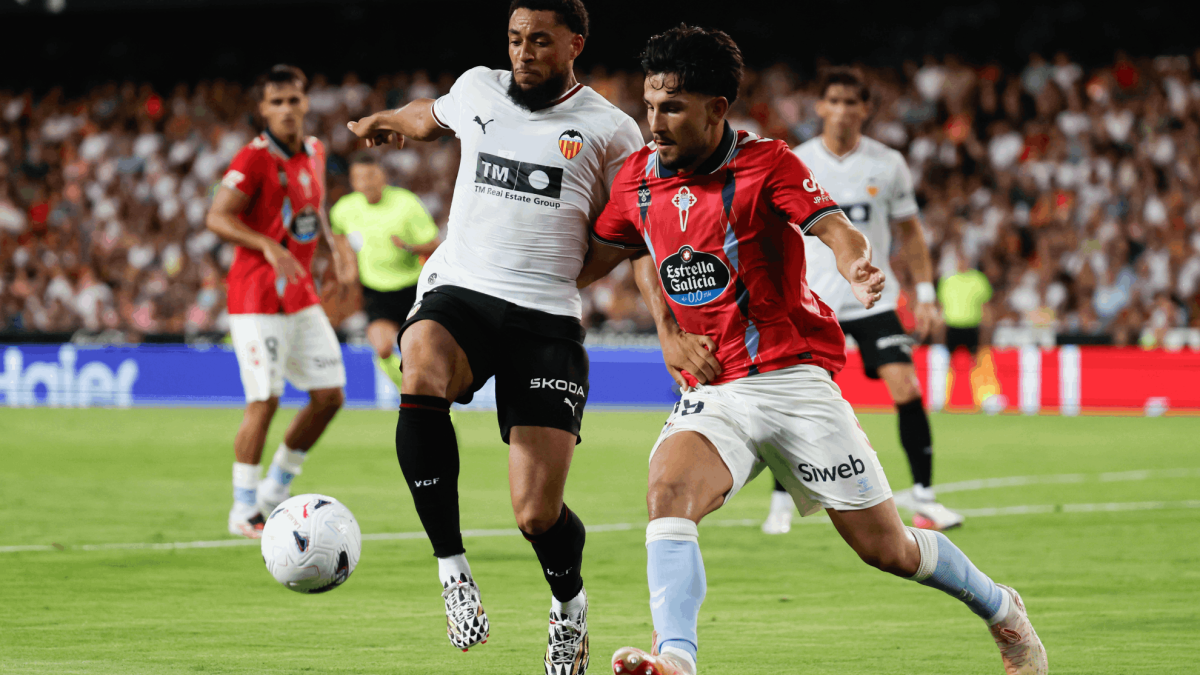
The four major European leagues already underway in the 26/27 season have registered more actual ball-in-play time during their first full matchday, according to early comparative data. The increase, driven by the new IFAB directives on substitutions, throw-ins and injuries, ranges from two to three and a half minutes per match. Italy and France show the biggest gains, while Spain and England deliver more moderate progress.
- Serie A leads the improvement with nearly 3'30" more per match, a 6.4% rise over last season's average.
- Ligue 1 adds almost three minutes and remains the league with the most effective time at 59'13" on average.
- LaLiga gains 2'14" and the Premier League just over two minutes, with less pronounced increases.
- None of the four competitions has yet reached the 60-minute barrier of actual playing time per game.
- In LaLiga, the gap between the match with the most and least ball-in-play time so far this season exceeds 22 minutes.
How the new IFAB rules are changing the 26/27 season
The complaint had been the same for years across European football: the ball was in play less than it should be. Substitutions dragged on endlessly, throw-ins turned into small tactical negotiations, and goalkeepers took their time over every goal kick. The IFAB responded this season with concrete measures: ten seconds to leave the pitch when substituted, a visual five-second countdown for throw-ins and goal kicks, and one full minute off the field for any player treated for an injury.
The question was whether any of this would show up on the only scoreboard that truly matters: the clock. With just one full matchday of perspective across LaLiga, the Premier League, Serie A and Ligue 1 — the Bundesliga is excluded from this comparison — the early answer points to yes. All four competitions have beaten their effective playing time averages from last season without a single exception.
Serie A, the league gaining the most actual playing time
Italian football is the biggest beneficiary of the new rules. Serie A added nearly three and a half extra minutes of effective play per match, a 6.4% improvement over the previous campaign. The explanation is logical: Italy started from the lowest baseline among the four major leagues, averaging 54 minutes and 28 seconds last season. That poor starting point left considerable room for growth.
The contrast with Ligue 1 is revealing. The French league adds almost three minutes per match, but does so from an already high base. Even so, it clearly maintains its status as the competition where the most ball-in-play action is enjoyed, with an average of 59 minutes and 13 seconds.
LaLiga and the Premier League: moderate gains and unanswered questions
The English league, historically proud of its quick restarts, gains just over two minutes per match. LaLiga improves by 2 minutes and 14 seconds, a modest figure for a competition that carries a reputation for excessive protests and frequent time-wasting.
Analysts point to two possible explanations. On one hand, both leagues started from relatively high figures last season, which reduces the scope for immediate improvement. On the other, Spanish and English referees may not yet be enforcing the new directives as strictly as their Italian or French counterparts. The coming matchdays will clarify whether that gap narrows or persists.
The 60-minute actual play barrier remains a distant target
Despite the widespread progress, none of the four major leagues comes close to 60 minutes of effective play out of the 90 regulation minutes. Not even Ligue 1, leading with 59'13", avoids losing more than half an hour per match to interruptions of all kinds. The improvement is real, but its actual reach deserves proper perspective.
LaLiga teams with the most and least ball-in-play time
Analyzing what has been played so far in LaLiga offers a revealing picture. The difference between the match with the most ball in play and the one with the least reaches 22 minutes and 22 seconds, almost the equivalent of a full extra quarter of an hour. Valencia-Celta reached 1h08'25" of effective time, an exceptional figure, while Rayo-Alavés was stuck at 46'03".
Matches with the most actual minutes tend to be open encounters; those with the least, by contrast, feature familiar names: Alavés, Rayo, Getafe and Sevilla all appear repeatedly at the lower end.
The takeaway from these extremes is clear. The new rules can push the average upward, but each team's style and what is at stake in any given match weigh far more than any generic directive. Sides accustomed to managing the tempo with pauses, tactical fouls and strategic stoppages will continue doing so within the limits the rules still allow.
What to expect from upcoming European football matchdays
With only one complete matchday of data, talking about a consolidated trend would be premature. However, the first indicator points in the direction the CTA and IFAB were pursuing: more actual football is being played. The question is whether that improvement will hold once the novelty wears off and coaching staffs learn to exploit the margins the new rules still permit.
Frequently asked questions
How much has effective playing time increased under the new IFAB rules?
According to early 26/27 season data, the increase varies by league: Serie A gains nearly 3'30" per match, Ligue 1 almost three minutes, LaLiga 2'14" and the Premier League just over two minutes. All have improved compared to last season, though none yet reaches 60 minutes of actual play.
Which European league has the most actual ball-in-play time?
France's Ligue 1 tops the rankings with 59 minutes and 13 seconds on average in the opening matchday of 26/27. The Premier League and LaLiga follow, while Serie A, despite showing the biggest improvement, still comes from historically lower figures.
Which LaLiga teams register the least effective playing time?
Alavés, Rayo Vallecano, Getafe and Sevilla repeatedly appear at the lower end of effective playing time so far this season. These are teams that tend to manage matches with pauses, tactical fouls and a slower rhythm when the scoreline suits them.