
Manchester City verdict: £900m of sham contracts and a punishment that must be severe
The independent commission found Manchester City guilty of nearly every charge brought by the Premier League. The ruling concludes the club deliberately misrepresented its finances through sham sponsorship deals and then tried to cover it up. The question now is whether the sanction will match the scale of the deception.
 ByNatilla7 min read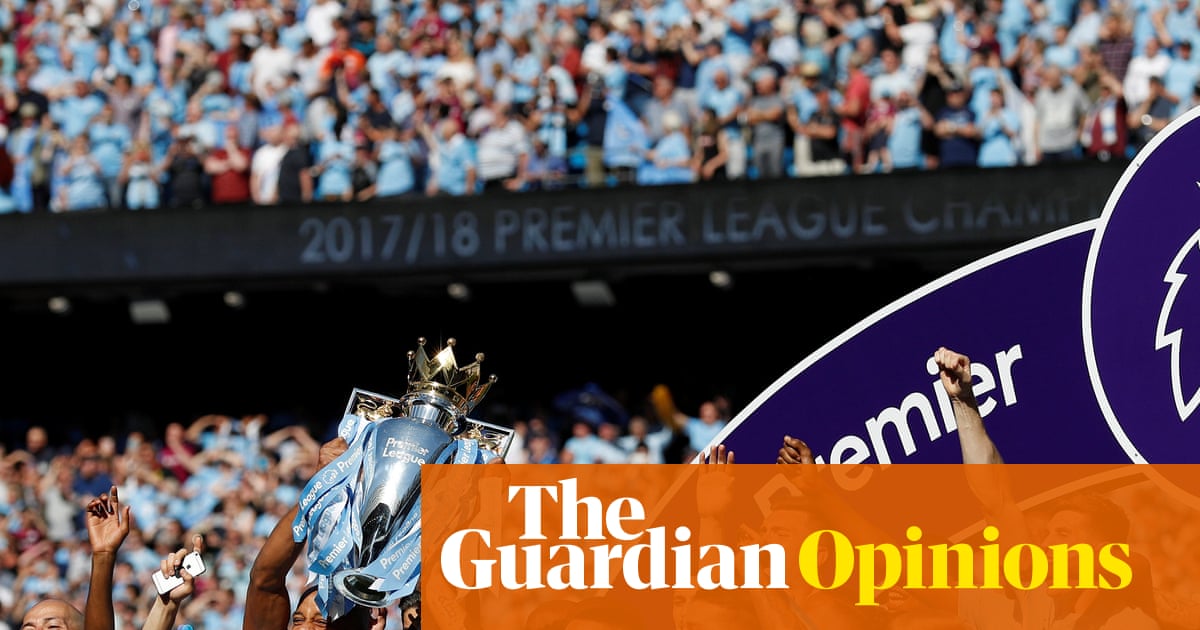
Manchester City were found guilty of almost every charge the Premier League brought against them. The independent commission concluded that the club deliberately distorted its accounts over nearly a decade, using fake sponsorship arrangements and a structure designed to hide owner funding. The ruling describes not an accounting error but a planned and sustained deception.
- The commission found the club overstated income by around £855m and understated outgoings by about £66m.
- Sponsorship deals described as shams accounted for roughly £830m across the nine years examined.
- Manchester City insist they are innocent and will appeal, with chief executive Ferran Soriano calling the charges a conspiracy theory.
- The panel says several club witnesses lied knowingly and that City obstructed the investigation.
- The sanction will be decided in a separate hearing, with expulsion now a serious possibility.
What the independent commission's report says about Manchester City
Once the findings were published, there was no room for doubt: the commission found that Manchester City cheated, did so on purpose, and then worked to obscure it with a calculated misinformation campaign. The sums involved are staggering. The club inflated its income by close to £855m and hid around £66m in spending.
This was not an administrative slip or an aggressive reading of the rules. It was a deliberate attempt to bypass the league's financial controls. The commission describes a strategy to dress up shareholder funding as ordinary commercial income, a move that completely distorted the club's financial picture during the seasons under review.
The Abu Dhabi United Group's sham contracts: £830m under scrutiny
Much of the fraud rested on sponsorship agreements the commission bluntly describes as shams. Those contracts inflated the club's revenues by roughly £830m over the nine years in question and, according to the report, were designed to disguise direct investment from the owner. The aim was to make the club look less financially dependent on Abu Dhabi United Group and more solvent than it really was.
The Fordham Agreement, a structure set up to purchase player image rights, is portrayed as little more than a front. The explanation the club gave the Premier League about how those deals worked was, in the panel's words, a story invented after the fact to conceal the true nature of the disguised funding scheme.
Witnesses who lied and an investigation the club tried to obstruct
The panel does not stop at accounting irregularities. It also points to deeply troubling conduct during the process. According to the ruling, Manchester City made concerted efforts to slow down and frustrate the Premier League's investigation once the charges were filed. Several key witnesses called on the club's behalf gave evidence that the commission considers false in important respects, and some maintained claims in the hearing that they knew were untrue.
At certain points, the commission decided not to accept the opinion of an expert. The precise reasons are set out in an appendix, but the context makes the implication clear. The only charge City were cleared of concerned a specific failure to cooperate in one set of accusations, a detail that does nothing to soften the overall verdict.
Manchester City's response: appeal, Soriano's video and total denial
The club maintains its innocence and has announced it will appeal, with a deadline at the end of the week. In a statement, City say the ruling contains clear errors of law, principle and fact, and is therefore unsafe. They again refer to a comprehensive body of irrefutable evidence supporting all of their positions.
Chief executive Ferran Soriano called the Premier League's charges a conspiracy theory and vowed to pursue every legal avenue to prove the club's innocence.
Soriano released a video insisting the case rests on a single false accusation: that owner funds were diverted to the club under the guise of sponsorship payments. That, he said, could not happen and did not happen. The commission has a very different reading of the same facts.
What punishment fits the case and why expulsion is on the table
The sanction will be settled in a further hearing before the independent commission, but the content of the verdict makes a mild punishment hard to imagine. Everton lost eight points across two accounting windows for an inadvertent breach of profitability and sustainability rules, involving around £20m and with full cooperation. The Manchester City case is on a completely different scale: more than £850m in inflated income, hidden costs and proven obstruction.
The Premier League is made up of its 20 member clubs. Manchester City cheated the other 19 and lied deliberately and repeatedly. Their continued denials only strengthen the sense that this is a club with no respect for the rules of the competition. That is why expulsion is no longer a fanciful idea. It is hard to justify allowing the club, at least under its current ownership, to keep playing as if nothing has happened while the appeal and sanction are resolved.
If the manipulation took place between the 2009-10 and 2017-18 seasons, the club's place in the recent Premier League roll of honour also comes into question. It is a fair thing to ask: how can their name remain on the list of champions of a competition they deceived for nearly a decade?
Why this case is different from any other financial scandal in English football
The great precedents of financial wrongdoing in the English top flight —Manchester City in 1906, Leeds City in 1919 and Sunderland in 1957— involved breaching the maximum wage at a time when several clubs were doing similar things. This case is different in nature. It was not a shared infringement or a minor cheat: it was deception on a massive scale, sustained over years and backed by a strategy to discredit those investigating it.
The reputation of Abu Dhabi United Group, which owns 81% of the club, is left in tatters by a document written in calm but devastating legal prose. The appendices, when they are made public, could make things worse. Even if the appeal succeeds on a technicality, the credibility of the ownership is unlikely to recover.
Frequently asked questions
What has Manchester City been found guilty of?
The Premier League's independent commission found the club guilty of nearly all the charges against it. The ruling concludes City overstated income by around £855m, hid about £66m in expenses, and used sham sponsorship contracts to disguise owner funding. It also found the club obstructed the investigation and that several witnesses lied.
What punishment could Manchester City receive?
The sanction will be decided in a separate hearing before the same independent commission. Given the scale of the fraud and the club's conduct during the process, the options range from a very heavy points deduction to expulsion from the Premier League, which many now see as the only way to protect the competition's credibility.
Can Manchester City appeal the verdict?
Yes. The club has until the end of the week to lodge an appeal and has already confirmed it will do so. City have also said they will explore all other legal avenues, although the tone of the ruling makes it difficult to see how a technical issue could overturn the main conclusions.