
Manchester City vs PSG: Defiance, Goals and the New Box-Office Rivalry
Manchester City played their first home game since a ruling shook English football and produced a gripping six-goal spectacle against PSG. The Etihad mixed anger, nostalgia and high-level football as two state-backed projects faced each other in a night that felt both brilliant and unreal.
 ByNatilla5 min read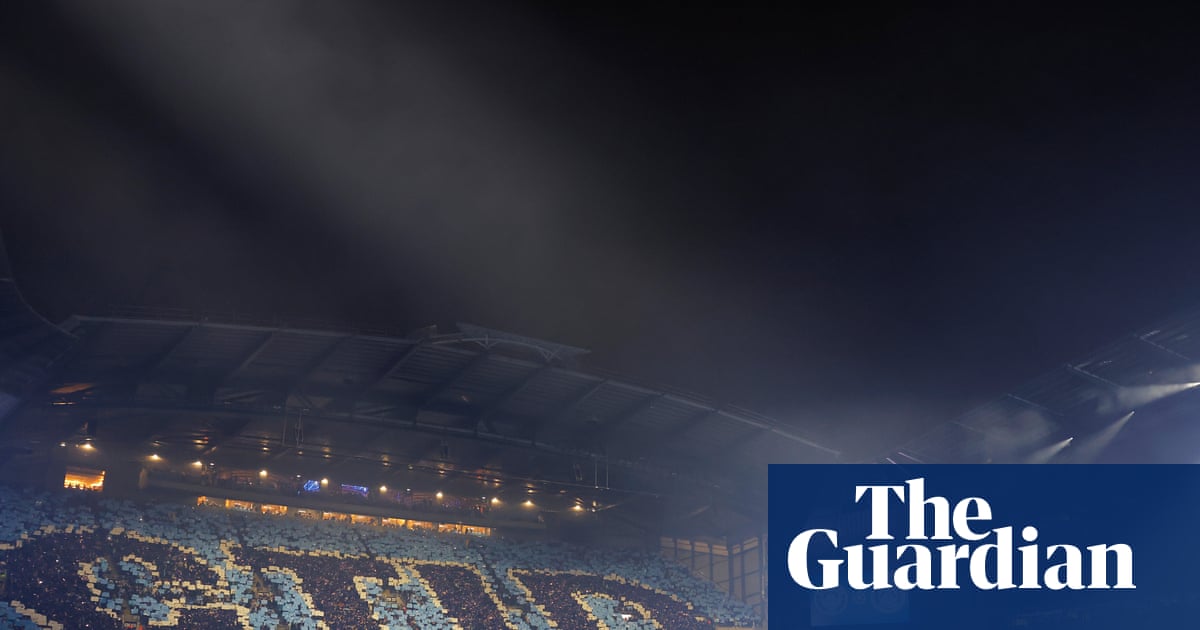
Two weeks after a court ruling that sent shockwaves through English football, Manchester City returned to their own stadium and produced one of the most gripping games of the European season against PSG. Six goals, a partial collapse, a stirring fightback, shots off the woodwork, a saved penalty and a masterclass from a supremely polished Paris Saint-Germain side made for a spectacle as dazzling as it was uncomfortable.
- City hosted PSG in their first home match since a landmark ruling reshaped the narrative around English football.
- The game featured six goals, a saved penalty, a comeback and long spells of PSG dominance under Luis Enrique.
- The Etihad crowd shifted from silence to anger and occasional jubilant defiance against UEFA and their opponents.
- Pep Guardiola watched from the stands looking haunted and subdued under a flat cap.
- PSG impressed with suffocating midfield play and a superb Désiré Doué on the left flank.
Why This Manchester City Is Suddenly Box Office
For years, Manchester City were a project built on frictionless success: elite football backed by the power of a sovereign state. It worked, but it often felt cold. That dynamic has now shifted completely. The club has entered a mode of open defiance, grievance and grandstanding that makes it compulsively watchable. The sensible denials are gone; what remains is a kind of performative villainy, a main-character role that steals the show from more conventional football narratives.
The new posture feels closer to Milton’s Satan: aware of the rules, rejecting them, and ultimately dominating the stage while the rule-obsessed establishment looks on. At the Etihad, the mood was of someone dancing while the world burns.
PSG: The Perfect Twin Opponent for a Charged Night
Few opponents could reflect City’s reality more clearly than Paris Saint-Germain. The two clubs are parallel institutions: state-backed projects from the Gulf, previously sanctioned for breaches of financial rules, assembled through extraordinary investment. Abu Dhabi against Qatar in Manchester, with all the political and symbolic weight that carries.
On the pitch, PSG were brilliant for long stretches. Luis Enrique, prowling in dark tracksuit bottoms and a hoodie like a Jedi out for a jog, oversaw a team that smothered City with and without possession. Vitinha made it 3-0 after 32 minutes, and the lead could have been embarrassing. Désiré Doué was exceptional on the left, full of quick feet, spring and composure.
What Guardiola Saw From the Stands
Pep Guardiola took in the match from the stands, wearing a flat cap and carrying the look of a man burdened by the moment, like a Godfather Part II figure who can silence a courtroom with a silent glare. His demeanour matched the club’s current state: serious, watchful and defensive.
His players, however, gave everything against a superior opponent for much of the night. The crowd moved from sullen resistance to open fury and, in flashes, to the euphoric defiance of the glory years. The blend of dissonance and spectacle once again lit up the stadium.
Inside the Etihad: Boos, Nostalgia and Provocation
Before kick-off, the Etihad was a febrile place. Smoke, anger and a pointedly heartwarming heritage video on the big screen: local people looking happy and real, legends of the past, older fans in brown coats and neat comb-overs. Then came the trophy years and a final shout: “The blues are in dreamland.” That line now lands rather differently.
The booing was relentless. PSG’s players were booed, their fans were booed, and the Champions League anthem was drowned out. A ‘City Till I Die’ tifo was raised, because death had to be part of it. The chanting mixed irony, anger and a stubborn sense of belonging.
What a Six-Goal Thriller Says About State-Funded Football
The contest raised an uncomfortable question: should games like this be broadcast or even played at all? Is it sport or dystopia? On the evidence of the night, the answer is complicated. This version of City is by far the most interesting the club has ever produced. Local identity, love for the game and community connection have been taken over by a state-owned machinery and sold back in the form of borrowed glory.
Still, the night delivered a superb match, committed players and a memorable occasion for a fanbase that found in fury a way to feel alive even without victory.
Frequently asked questions
How did the Manchester City vs PSG match end?
The game featured six goals and a City comeback after going three goals down. Neither side won, and PSG dominated large parts of the contest with a display of sophisticated, high-tempo football.
Why was the Manchester City vs PSG game played under a cloud?
The match came two weeks after a court ruling that challenged the financial rule framework of English football. The decision intensified scrutiny of Manchester City’s model and fuelled anger among supporters.
What do Manchester City and PSG have in common?
Both clubs are linked to Gulf states and have previously been sanctioned by UEFA over financial rule breaches. They are widely viewed as twin projects within European football, built on enormous state-backed investment.