
Nico Williams: 'My parents sometimes couldn't pay the rent. It has to be fixed'
Nico Williams sits down with this outlet in Prague, where the Spanish national team are preparing for their next match. The Athletic Club winger talks about the housing crisis, racism, the World Cup final and his relationship with Lamine Yamal, among other topics.
 ByJavi
 6 min read
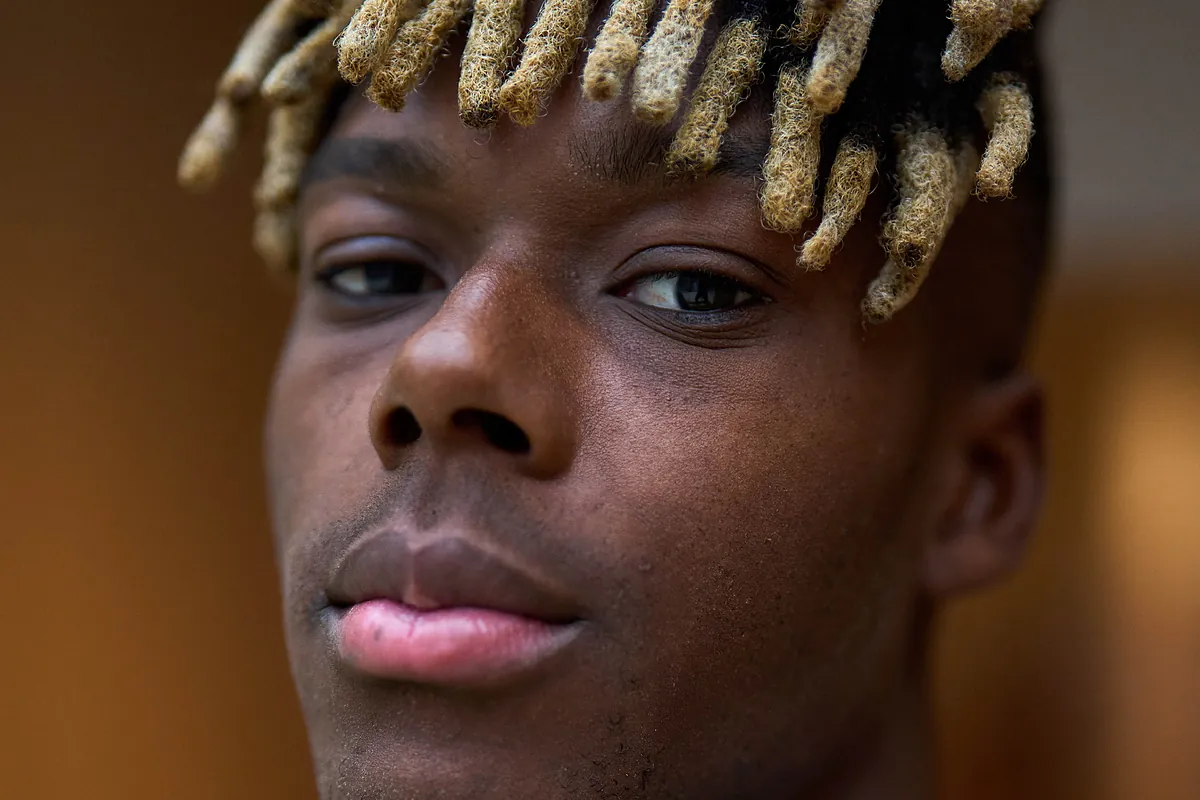
Nico Williams welcomes this outlet at the Fairmont hotel in Prague, where he is staying with the Spanish national team. The Athletic Club winger, 24, reflects on his current moment after overcoming a bout of gastroenteritis that kept him out of training on Monday and Tuesday. The conversation ranges from the housing crisis to racism, the World Cup final and the figure of Lamine Yamal.
- Nico Williams says housing 'has to be fixed' and reveals that his parents sometimes struggled to pay the rent.
- He says the fight against racism is a key goal and that the national team helps spread that message.
- He recalls the phone call from Luis de la Fuente after his injury: 'It gave me huge confidence.'
- About the World Cup final, he says the goal move was rehearsed and he trusted Ferran Torres to finish it.
- He insists that his mother still has veto power over many decisions, despite him being 24.
Housing and a childhood marked by financial hardship
The Pamplona-born player refers to the general strike called in Spain over the housing problem. He acknowledges that his current position is privileged, but that does not distance him from a reality he says he has experienced closely. His parents, he explains, went through periods when they could not pay the rent.
"The housing problem touches me very closely because I have friends my age, even older, who are finding it extremely hard to get a flat," he says. In his view, young people are the future of Spain and the world, and making it easier for them to access housing would help build a better society.
Williams speaks from the empathy of someone who has lived through difficult family situations. His friends, he adds, talk to him about these struggles without hesitation. He tries to help them where he can, aware that his voice carries influence.
Racism: 'We have taken big steps'
The Athletic Club player believes that discrimination and hatred towards immigrants have decreased significantly, although they have not disappeared completely. He considers that the Spanish national team continues to help convey a message of normality and diversity.
Within the group, he points out, there is a naturalized French player, players with roots in Ghana and young talents such as Lamine Yamal. That everyday coexistence reflects what they want to project to the outside world. "I want any person to receive the same treatment as me," he says.
He recalls that, shortly after the European Championship, he said that fighting racism could become the number one goal of his life. He still holds that view. He believes he has an important voice and that he can use it to help.
Luis de la Fuente's phone call and the injuries
Last season was marked by physical problems. When he got injured on 10 May, the national team coach called him. That conversation was a turning point at a difficult time emotionally.
That Luis called me and gave me that calm, that he talked to me one to one, was very important. It gave me huge confidence.
Williams admits he cried a lot during 2024. The day of the Uruguay match, when he got injured again, he mixed frustration, sadness, rage and anger. He highlights the role of the physiotherapists, especially Beni, with whom he spent many hours and for whom he has particular affection.
How he prepared for and experienced the World Cup final
On the World Cup final, the Basque winger recalls waking up calm, without nerves. The pre-match dinner was spent joking and throwing napkins in the air. That calm, he says, stayed with the team throughout the tournament.
The goal move had been rehearsed in training. Lamine Yamal would pin two opponents, leaving the full-back free. The first option was to cross to the far post. Nico made his run to reach that area, admits he started slightly late and that the opponent's push helped him connect with the ball.
He then left the ball for Ferran Torres. He watched everything in slow motion and thought his teammate would not miss. "That's it, he doesn't miss," he recalls. Then came the celebration.
His mother, Lamine Yamal and life after football
At 24, his mother still has veto power over some decisions. He accepts it naturally. She has already given him permission to buy a Lamborghini, although beer is still not to his taste.
He has a very close relationship with Lamine Yamal. He believes they are similar and that their family experiences have brought them together. He acknowledges that it is difficult for the Barcelona player to handle the enormous attention on everything he does, but he thinks Lamine handles it quite well.
His brother Iñaki has asked him a question he still cannot answer: what he wants to do when his career ends. Nico admits he used to live completely for football and that the question left him stuck. Now he is thinking about his future beyond the pitch.
Frequently asked questions
What did Nico Williams say about the housing problem?
Nico Williams said housing access is an issue that must be addressed. He recalled that his parents went through periods when they could not pay the rent and that he has friends his age struggling to move out on their own.
How does Nico Williams remember the goal in the World Cup final?
The winger explained that the move had been practised in training. When he saw Lamine Yamal slow down and pass, he sprinted towards the far post. He connected thanks to a push from an opponent and left the ball for Ferran Torres to score.
What is Nico Williams' relationship with Lamine Yamal like?
Nico Williams says they get along very well because they are similar and have lived through similar family experiences. He highlights the huge attention around everything Lamine does and believes he handles it quite well.
Why was Luis de la Fuente's phone call important for Nico Williams?
The call came at a difficult emotional moment, with several injuries piling up. The national team coach gave him calm and spoke to him directly, which gave him a lot of confidence for the recovery process.