
Rafael Louzán: the 2030 World Cup final will be in Madrid or Barcelona
The president of the Spanish Football Federation has stated that the final match of the 2030 tournament cannot slip away from Spain. Louzán argues that the withdrawal of one of the planned venues leaves only two realistic options on the table.
 ByNatilla5 min read
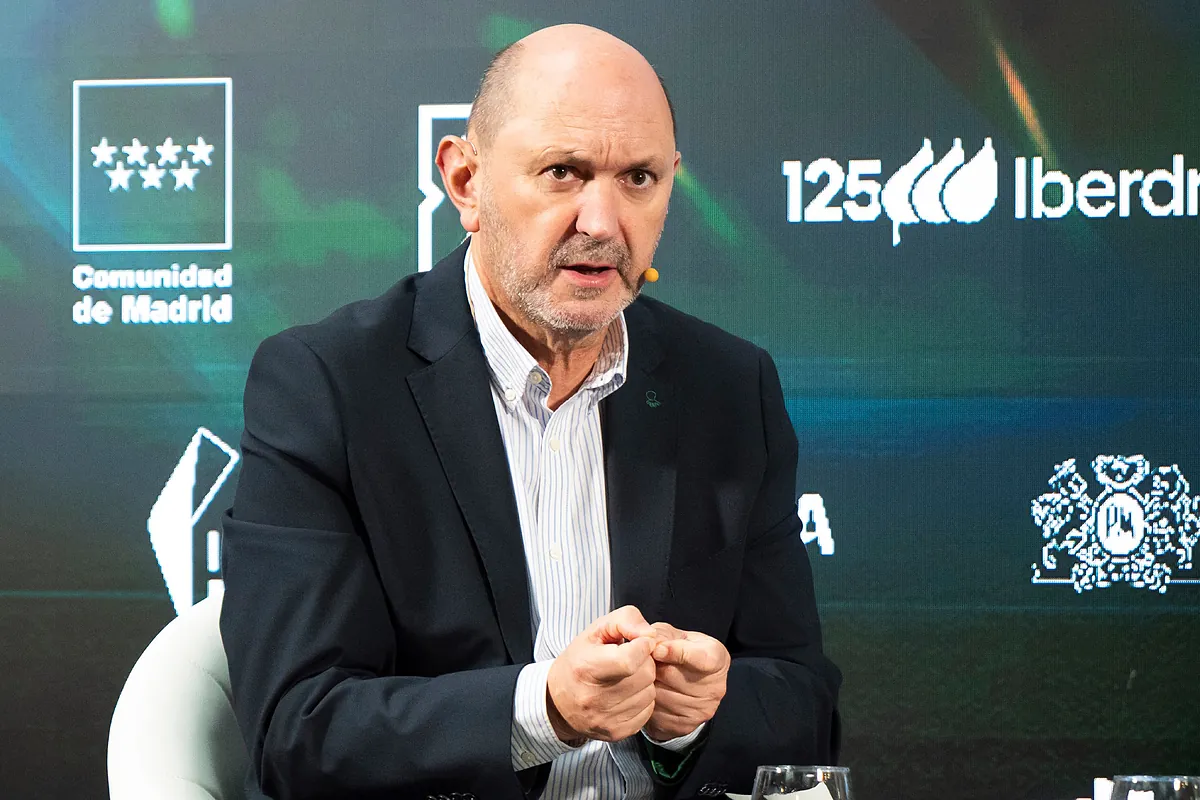
The president of the Spanish Football Federation, Rafael Louzán, has said the final of the 2030 World Cup will be played in Spain and can only take place in one of the country's two biggest cities. Speaking at the Business Sport Forum organised by Marca and Expansión, the Spanish official pushed back against reports linking the decisive match to Morocco.
- Louzán claims the final will be in Madrid or Barcelona and rules out other options.
- He argues the tournament belongs to Europe and should be hosted by Spain and Portugal.
- He says one of the planned host cities has withdrawn because it lacks an 80,000-seat stadium.
- He wants Vigo and Valencia included among the Spanish host cities.
- He puts investment in Spanish stadiums at around 2.5 billion euros.
Why Louzán sees Spain as the natural final host
Faced with the possibility that the Hassan II Stadium in Casablanca could stage the final, the RFEF president was firm. In his view, the 2030 edition follows a continental rotation system set by FIFA, and this time the turn belongs to Europe. Within that framework, he believes the tournament co-hosted by Spain and Portugal should keep the most important match of the competition.
"This country has declined to host it because it does not have a stadium with a capacity of 80,000 people, so it can only be Spain and it is going to be here."
Louzán did not mention Morocco directly during his remarks, but his argument suggests that the withdrawal of one of the planned venues opens the door for Spain to secure the flagship match. For him, the race comes down to only two options: the capital or Barcelona.
The investment behind Spain's 2030 World Cup bid
The head of Spanish football put a number on the country's infrastructure effort. He spoke of an investment of around 2.5 billion euros to upgrade stadiums in LaLiga and stressed that the money is not coming from the national government but from clubs, city councils, regional governments and provincial councils.
That modernisation push, he explained, benefits the domestic competition and should not be seen only as a cost tied to the national team tournament. For Louzán, the World Cup is an opportunity, but the upgraded venues will remain as a lasting legacy for Spanish football.
Ticket prices for the 2026 World Cup raise concerns
The cost of tickets for the 2026 World Cup, hosted by the United States, Mexico and Canada, also came up during the forum. The Spanish federation had previously voiced its unease over the prices being set for that edition and has now confirmed that a study is underway to evaluate how to approach the issue in the run-up to 2030.
Vigo and Valencia: the two cities Louzán wants back
On the host city map, the RFEF president made clear he wants to expand Spain's list. His aim is to bring Balaídos and Mestalla into the final group of host venues, two cities that are currently absent from the proposed allocation. Asked about the exact number of participating municipalities, he said the figure has yet to be finalised.
According to his comments, the current split includes eleven venues in Spain, six in Morocco and three in Portugal, although new stadiums could alter that initial plan. Louzán preferred to leave room for adjustments until the organisation confirms the tournament's final design.
Who joined Louzán at the Business Sport Forum
The event, presented by Valentina Castillo, brought together leading names from sport and business. Alongside Louzán were Jorge Garbajosa, president of FIBA Europe, and Alberto Tomé, director general of sports for the Community of Madrid. Other speakers included Chus Bueno, CEO of the EuroLeague, Beatriz Álvarez, president of Liga F, and José Vicente de los Mozos, executive president of IFEMA Madrid.
Frequently asked questions
Where will the 2030 World Cup final be played?
RFEF president Rafael Louzán has said the final will be held in Spain, with the host city split between Madrid and Barcelona. His comments came in response to reports pointing to the Hassan II Stadium in Casablanca.
What did Louzán say about stadium capacity?
He claimed one of the planned host cities pulled out because it does not have a stadium with 80,000 seats. In his account, that obstacle leaves Spain as the only option for the decisive match.
Which cities does the RFEF want to add for the 2030 World Cup?
Louzán specifically mentioned Vigo and Valencia as cities he would like to add to the host venue list. He noted that the final number of participating cities has not yet been decided.