
Real Madrid held Betis to their first ever home goalless draw in official matches in 1933
The first visit of Real Madrid to the Patronato Obrero stadium, on February 19, 1933, ended without goals. It was a first for Real Betis, who had scored or conceded in all 52 previous official home games in La Liga and the Copa. The matchday 13 clash also ended Real Madrid's run of six straight wins.
 ByJavi
 6 min read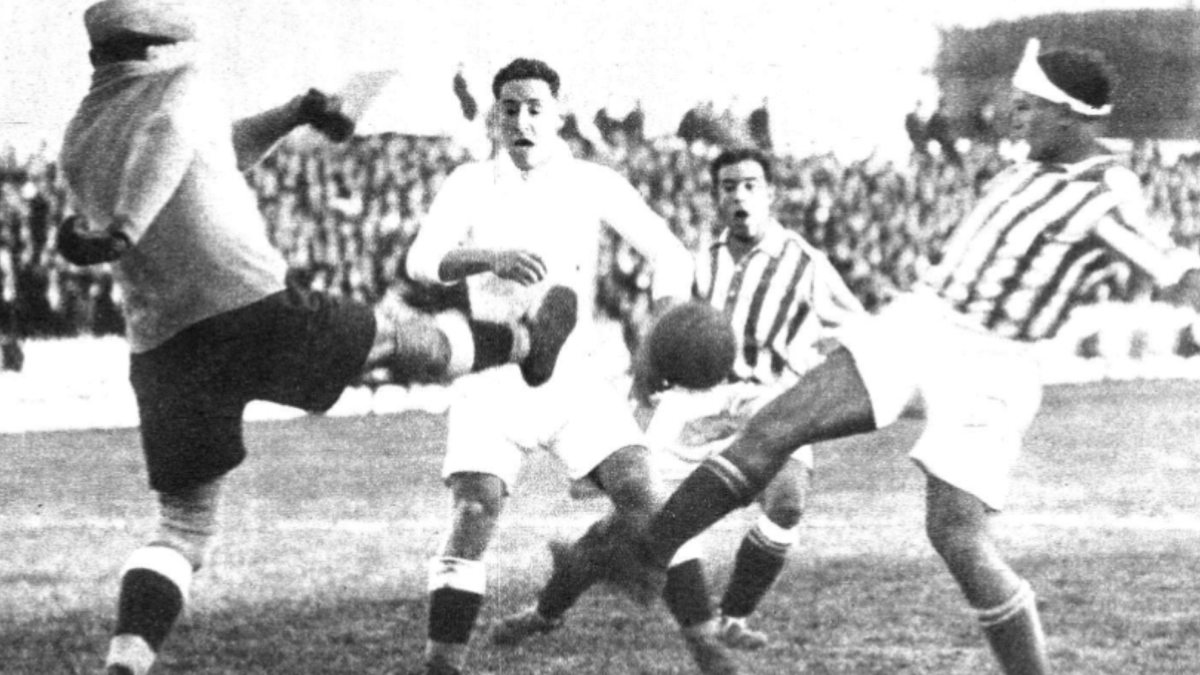
Real Madrid's first visit to Real Betis in Spain's top flight, played on February 19, 1933 at the Patronato Obrero stadium, produced a remarkable statistic. The 0-0 draw between the Andalusian side and the Madrid club was the first goalless home result in Betis history in official national competition, after 52 previous league and cup games in which goals had always been scored.
- Betis hosted Real Madrid on February 19, 1933 on matchday 13 of La Liga.
- It was the first home 0-0 for Betis after 52 official matches between league and cup.
- Real Madrid arrived on a run of six consecutive wins as strong league leaders.
- Robert Firth was in charge of Real Madrid and Patrick O'Connell managed Betis.
- The Madrid press heavily criticised the league leaders' coach despite the goalless draw.
Real Madrid's first visit to Heliópolis
In the 1932-33 campaign, Betis were making their debut season in the top division. Their ground stood in an area then known as La Huerta del Fraile and was called Estadio del Patronato Obrero. Real Madrid travelled there on matchday 13, with five rounds of the championship still to be played.
The green and whites came into the game after ending a run of five straight defeats with a 2-2 draw away to Real Sociedad. That point gave them breathing room in the fight to avoid relegation. Real Madrid, meanwhile, were marching solidly toward a second consecutive league title and had won their previous six matches.
A goalless draw never seen before at the Patronato Obrero
The scoreboard did not move in ninety minutes, something that had never happened at the Betis home ground in official fixtures. Before that match, Betis had played 19 Copa matches at home since their debut in the tournament in February 1926, 27 in the Segunda División and the six of that season in the top flight. In all of them they had either scored or conceded. Espanyol and Sevilla, for example, had won in Heliópolis while keeping the hosts scoreless, but a 0-0 had never been recorded.
It was the reigning league champions, who would retain the title a few weeks later, who opened the goalless chapter in Betis' home history. The game was the club's 53rd on home soil between league and cup fixtures.
A duel of British coaches on the touchline
Both teams were managed by coaches from the British Isles. Betis were led by Irishman Patrick Joseph O'Connell, who had settled in Spain after arriving in Santander in 1922 and who would guide the Sevillian club to their only league title three years later. Real Madrid were coached by Englishman Robert Edwin Firth, who had also entered Spanish football through Racing and Cantabria.
The build-up to the match invited optimism. The Madrid press praised Betis' strength at home, boosted by the relief of the previous round's draw, but saw a powerful and in-form Real Madrid. The weekly magazine Crónica summed it up with a popular saying: the Madrid side performed better when the road went uphill than on the flat.
A dull match that disappointed the Betis fans
The early enthusiasm faded as soon as the Catalan referee blew the starting whistle. Both teams produced a slow, boring and disjointed performance, far removed from what was expected of the league leaders' stars. Only in the closing stages, pressed by the 0-0, did both sides push forward in search of a goal. It never came.
For Betis, Timimi was the most dangerous player, but whenever he got past the defensive pairing of Ciriaco and Quincoces he ran into the reflexes of Ricardo Zamora. For Real Madrid, Samitier and Luis Regueiro troubled the home goalkeeper, Basque shot-stopper Joaquín Urquiaga, the most. Canary Islander Hilario had one of those off days in which his talent faded and he seemed a ghost on the pitch.
The Madrid press's harsh criticism of Robert Firth
While in Seville the dull point was accepted as another step toward top-flight survival for Betis, in Madrid the draw did not go unnoticed. Despite the firm progress of the white-clad side toward the title, the press turned the screw on the coach.
The injury to Leoncito has forced Mr. Firth to take serious decisions, considering how peacefully a football coach's life usually unfolds. Since he wears neither a bowler hat nor smokes a pipe, Mr. Firth has had no choice but to put on his borsalino and follow the mysterious spirals of a miserable cigarette's smoke.
The newspaper El Liberal published an unsigned article full of irony aimed at the English manager. The venomous text mocked Firth's image and the effort it supposedly took him to make serious decisions. A single goalless draw had been enough to put the league leaders' bench under scrutiny, despite the solidity of their season.
What happened after that draw in the 1932-33 La Liga season
Real Madrid went on to win that league title, their second in a row, while Betis managed to establish themselves in the top flight. The 0-0 remained a statistical rarity for both clubs, and the chapter in which the Betis faithful were left without seeing a single goal in their own stadium for the first time.
Frequently asked questions
When did Betis play their first home goalless draw in official competition?
Betis' first home 0-0 in national competition came on February 19, 1933, on matchday 13 of La Liga against Real Madrid. Until then, the club had played 52 official home games between league and cup, and goals had been scored in all of them.
In which stadium did Real Madrid first face Betis away from home?
Real Madrid first visited Betis at the Estadio del Patronato Obrero, located in the area known as La Huerta del Fraile. The match took place in the 1932-33 season, the first for the Andalusian club in the top division.
Who managed Betis and Real Madrid in the 1933 match?
Betis were managed by Irishman Patrick Joseph O'Connell, who led the club to their only league title in 1935, while Real Madrid were coached by Englishman Robert Edwin Firth. Both had entered Spanish football through Racing de Santander.