
UK Football Police Unit accused of linking Hillsborough to the stadium alcohol debate
The Football Supporters' Association has criticised the UK Football Policing Unit for bringing the Hillsborough disaster into the discussion about drinking in sight of the pitch. Fan representatives stress that the 1989 tragedy was not caused by alcohol, but by a catalogue of police and ambulance service failings.
 ByMatt
 6 min read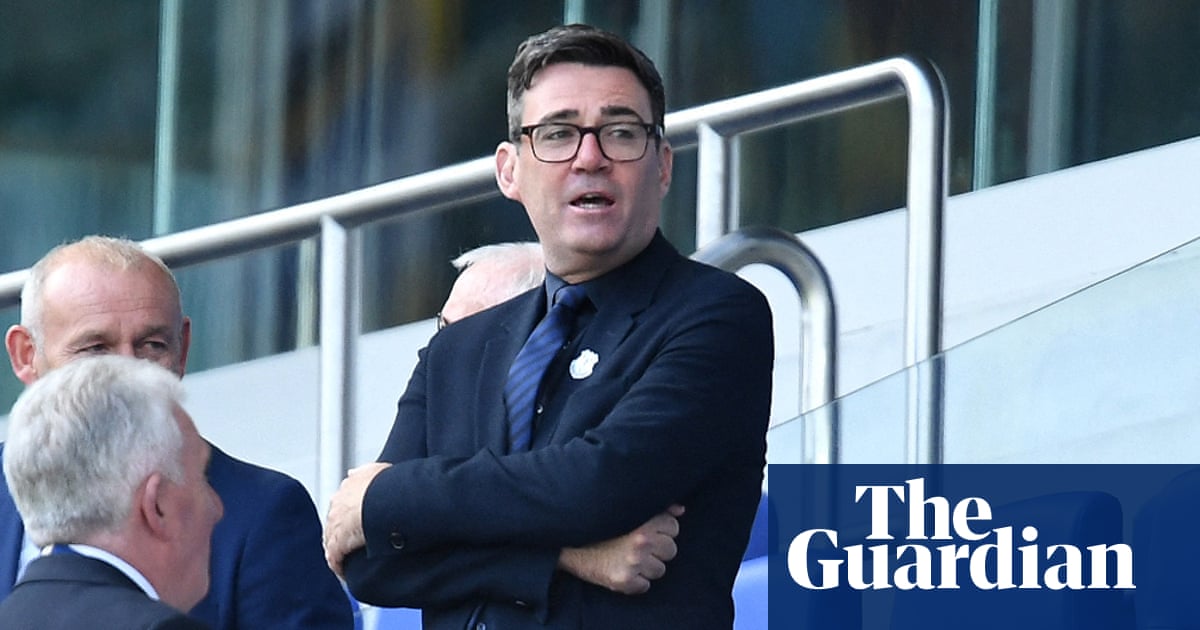
England's leading football supporters' organisation has criticised the UK Football Policing Unit (UKFPU) for dragging the Hillsborough tragedy into the debate over drinking alcohol in sight of the pitch. The discussion has resurfaced after Prime Minister Andy Burnham described the existing restrictions as outdated and discriminatory, and called for them to be scrapped.
- The Football Supporters' Association (FSA) says the Hillsborough disaster was not caused by alcohol and demands the police narrative be corrected.
- The UKFPU insists it did not intend to make that link and has asked for a meeting with the prime minister to explain its concerns.
- Andy Burnham argues the current law discriminates against football fans compared with supporters of other sports and events.
- The 1985 Sporting Events Act bans drinking in sight of the pitch in the top five men's leagues in England and Wales.
Why the FSA accuses the police of using Hillsborough in the alcohol debate
The FSA immediately backed Burnham's call, but the UKFPU urged caution with a line of argument that has infuriated supporters. The policing body noted that after several football-related tragedies, legislative changes were introduced following the Taylor Report for good reason, and that the game is currently enjoying its longest period without a major disaster.
The police unit added that it would be incredibly rash to alter fundamental rules without a full examination of the evidence, and warned that other sports simply do not see the levels of violence and criminal behaviour found among a minority of football supporters, with alcohol often playing a significant part in disorder. Allowing greater consumption during matches would, in its view, be irresponsible.
The Taylor Report cited by the UKFPU was commissioned in the wake of the 1989 Hillsborough disaster, which claimed the lives of 97 Liverpool fans. The FSA responded strongly on its X account and stressed that the tragedy was not caused by alcohol. The organisation pointed out that fans were found to have been unlawfully killed and that a catalogue of failures by the police and ambulance services contributed to their deaths.
What the UKFPU says after the controversy
A UKFPU spokesperson later clarified the scope of the earlier remarks and said it had not been the unit's intention to link alcohol with the Hillsborough tragedy. The policing body acknowledged that the alcohol laws, first introduced in 1985, are one of a range of measures that, alongside the later Taylor Report recommendations, have helped make football far safer in this country.
The police also requested a meeting with the prime minister to outline the challenges these proposed changes would bring for the safety of staff and fans at stadiums. The request comes as Burnham's comments have sparked a lively exchange of views among match-going supporters.
The discrimination argument: football versus rugby or concerts
The FSA considers it unfair to criminalise fans for having a pint, especially when someone can sit in the same seat with an alcoholic drink at an Oasis gig or a rugby league match. The organisation says it is fundamentally sceptical of any law aimed exclusively at football supporters.
I don't think it is fair for football fans to be singled out in that way. That legislation dates to an era when football was very different. And I do believe there is a case to remove that discrimination.
The FSA makes clear, however, that its position does not mean every club should be forced to serve alcohol at every seat. Each club should be able to choose what is right for its own supporters, since some sections or stands, such as family areas, may not be suitable. Consultation with fans is seen as critical.
What would change if the 1985 alcohol law were repealed
The Sporting Events (Control of Alcohol) Act 1985 prohibits drinking in sight of the pitch in England and Wales across the top five men's leagues. That is the legislation Burnham wants to review, with the possibility of pilot schemes before any definitive change.
The prime minister said there are different ways the reform could be introduced, including on a trial basis. He added that he will not back away from a long-held view: he sees no justice in supporters of one sport being treated differently from those of another.
What role clubs and fans would play in the possible reform
The FSA argues for returning the decision to clubs, always in liaison with their supporters, rather than relying on decades-old legislation written through the lens of viewing all football fans as potential hooligans. That approach, they say, would allow each stadium to adapt to its own circumstances.
The potential reform would not impose a one-size-fits-all model on professional football. The FSA insists that consultation is essential and that certain grounds or specific sections could opt out, while elsewhere the measure might prove popular. The final call, they argue, should reflect the reality of each fanbase.
Frequently asked questions about the alcohol debate in English football
Frequently asked questions
Why is drinking alcohol banned in English football stands?
The Sporting Events (Control of Alcohol) Act 1985 bans alcohol consumption in sight of the pitch in the top five men's leagues in England and Wales. The law was introduced at a time when hooliganism was a major problem and has remained in force ever since.
What role did alcohol play in the Hillsborough disaster?
The official investigation concluded that the 1989 Hillsborough disaster was not caused by alcohol. The fans were found to have been unlawfully killed, and a series of failures by the police and emergency services were identified as contributing factors to the 97 deaths.
What does Andy Burnham propose about alcohol in football stadiums?
The prime minister believes the current legislation is outdated and discriminatory because it treats football fans differently from supporters of other sports or events. He proposes removing the restriction, possibly through pilot schemes, and argues that clubs should be able to adapt it to their own situation.